What Are Ultra-Processed Foods?
Many foods we eat have been processed in some way. Bread is baked, milk is pasteurized, vegetables are frozen and beans are canned.
Food processing itself is not necessarily unhealthy.
Ultra-processed foods, however, are typically industrial formulations made with multiple ingredients, often including substances rarely used in home cooking.
Examples include many packaged snacks, sugary soft drinks, confectionery, instant noodles and some ready-to-eat meals.
These products are often designed to be convenient, inexpensive and highly palatable.
How Are Ultra-Processed Foods Different?
Researchers commonly use the NOVA classification system to distinguish foods according to the nature and purpose of their processing.
For example:
* Minimally processed: fresh fruit, plain oats, frozen vegetables * Processed: canned fish, cheese, vegetables preserved in salt * Ultra-processed: many sugary breakfast cereals, packaged sweets and soft drinks
However, processing categories do not tell us everything about nutritional quality.
A product’s fiber, protein, salt, sugar and fat content also matter.
Not every packaged food is nutritionally poor, and not every homemade meal is automatically healthy.
Why Are Ultra-Processed Foods a Health Concern?
Many ultra-processed products contain substantial amounts of added sugar, salt or refined carbohydrates while providing relatively little fiber.
Some are easy to consume quickly and in large portions.
Diets containing high amounts of ultra-processed foods may also displace vegetables, legumes, whole grains and other nutritious foods.
Research has linked higher consumption with obesity, type 2 diabetes, cardiovascular disease and premature mortality.
However, much of this evidence comes from observational studies. These identify associations but cannot establish that every ultra-processed product directly causes disease.
What Does This Mean for Longevity?
Healthy aging depends partly on maintaining good cardiovascular and metabolic health over many years.
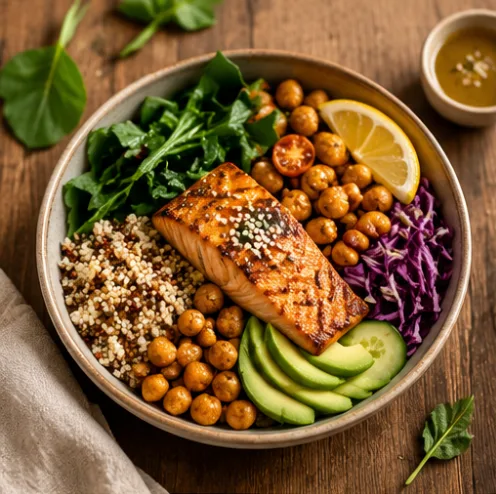
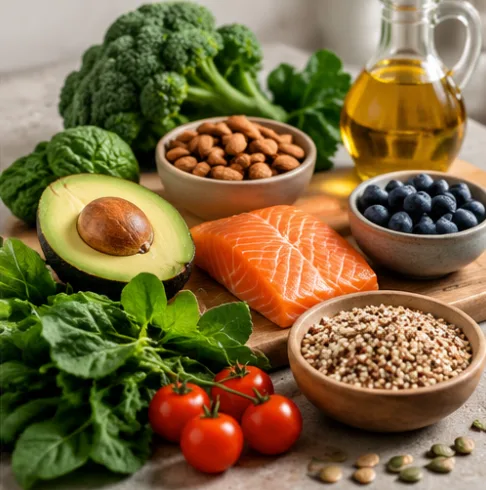
Dietary patterns rich in vegetables, fruit, legumes, whole grains, nuts and minimally processed foods support these goals.
Reducing reliance on ultra-processed products may help improve overall dietary quality.
However, there is no convincing evidence that avoiding every ultra-processed food will, by itself, extend human lifespan.
The overall dietary pattern remains more important than a single label on a food package.
How Can You Recognize Ultra-Processed Foods?
The ingredient list can provide useful clues.
Products containing several industrially formulated ingredients, such as certain emulsifiers, flavorings or modified starches, may fall into this category.
But ingredient lists should not be interpreted in isolation.
For example, a food containing an additive is not automatically harmful, and a product with only a few ingredients may still contain excessive sugar or salt.
Consider both the degree of processing and the food’s nutritional composition.
What Can You Do in Everyday Life?
You do not need to eliminate every convenience food.
Start with practical substitutions:
* Choose plain yogurt with fresh fruit instead of a highly sweetened dessert. * Replace sugary drinks with water or unsweetened beverages. * Include more beans, vegetables and whole grains in everyday meals. * Compare packaged products for fiber, added sugar and salt. * Prepare simple meals from basic ingredients when practical.
Small, sustainable changes are generally more useful than rigid food rules.
Based on Research
Lane MM, Gamage E, Du S, et al. Ultra-processed food exposure and adverse health outcomes: umbrella review of epidemiological meta-analyses. The BMJ, February 2024. https://www.bmj.com/content/384/bmj-2023-077310