Why Does Protein Become More Important With Age?
Protein is essential throughout life. It helps build and repair muscles, supports the immune system and provides the building blocks for enzymes and hormones.
As we age, maintaining muscle mass becomes increasingly important.
Muscles help us walk, climb stairs, maintain balance and perform everyday activities independently.
However, aging is often accompanied by a gradual loss of muscle mass and strength. This can increase the risk of weakness, falls and reduced mobility.
Adequate protein intake, together with regular physical activity, helps support muscle health.
How Does Protein Help Maintain Muscle?
Proteins are made of smaller building blocks called amino acids.
Some amino acids must come from food because our bodies cannot produce them.
Muscles continuously break down and rebuild their proteins. Eating protein helps provide the amino acids needed for this process.
With increasing age, muscles may respond less efficiently to dietary protein.
This means that older adults may need to pay greater attention to both the amount and quality of protein they consume.
How Much Protein Do Older Adults Need?
The European Society for Clinical Nutrition and Metabolism (ESPEN) recommends at least 1 gram of protein per kilogram of body weight per day for older adults, with individual adjustment.
For example:
Body weight
Protein per day
60 kg
At least 60 g
70 kg
At least 70 g
80 kg
At least 80 g
Some healthy older adults may benefit from approximately 1.0–1.2 grams per kilogram daily, depending on their circumstances.
Requirements may be higher during illness or recovery.
These amounts are general guidance, not universal targets. People with significant kidney disease or other relevant medical conditions may require individualized nutritional advice.
Which Foods Provide Protein?
Both animal and plant foods can provide valuable protein.
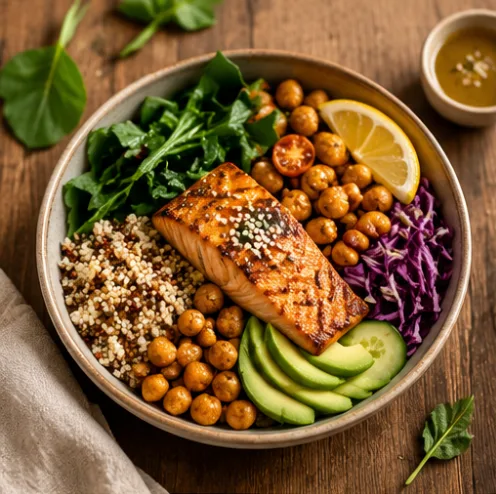
Animal sources include fish, eggs, dairy products, poultry and meat.
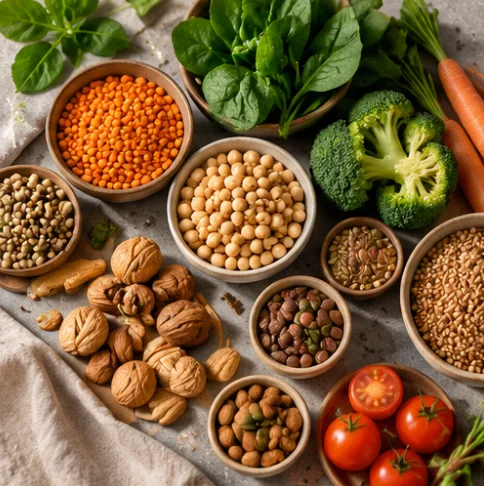
Plant sources include beans, lentils, chickpeas, tofu, soy products, nuts and seeds.
Animal proteins generally provide all essential amino acids in proportions that are readily used by the body.
Plant-based diets can also provide sufficient protein when they include adequate amounts and a variety of protein-rich foods.
Does It Matter When We Eat Protein?
Total daily protein intake is important, but distribution across meals may also matter.
Many people consume little protein at breakfast and most of it at dinner.
Including protein-rich foods at breakfast, lunch and dinner is a practical way to support adequate intake.
For example, breakfast might include yogurt or eggs, lunch could contain beans or fish, and dinner might include lentils, tofu or poultry.
Research continues to examine whether particular meal distributions provide additional benefits beyond sufficient total daily intake.
Is Protein Enough to Prevent Muscle Loss?
No. Protein and physical activity work together.
Resistance exercise, such as strength training with weights, resistance bands or body-weight exercises, stimulates muscles to maintain or increase their strength.
Research suggests that combining protein supplementation with resistance exercise can improve muscle mass and strength in some older adults with sarcopenia, a condition involving reduced muscle mass and function.
However, supplements are not always necessary. Many people can meet their protein requirements through ordinary food.
Does Eating More Protein Increase Longevity?
Adequate protein intake supports muscle health, physical function and recovery.
These are important components of healthy aging.
However, consuming very large amounts of protein has not been shown to extend human lifespan.
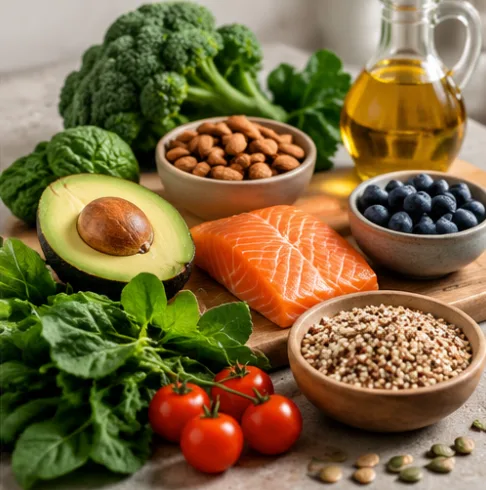
The goal is to obtain enough high-quality protein while maintaining a balanced diet rich in vegetables, whole grains, legumes and other nutritious foods.
Based on Research
Volkert D, Beck AM, Cederholm T, et al. ESPEN practical guideline: Clinical nutrition and hydration in geriatrics. Clinical Nutrition, April 2022. https://pubmed.ncbi.nlm.nih.gov/35306388/
Whaikid P, Piaseu N. The effectiveness of protein supplementation combined with resistance exercise programs among community-dwelling older adults with sarcopenia: a systematic review and meta-analysis. Epidemiology and Health, 2024. https://pubmed.ncbi.nlm.nih.gov/38374703/