Fatty liver disease often develops silently. Most people experience no symptoms, and the condition may remain undetected for years.
Yet the liver plays a central role in metabolism, helping the body regulate blood sugar, process fats and manage nutrients.
The good news is that everyday food choices can make a meaningful difference. A balanced diet can help prevent excess fat from accumulating in the liver and may improve liver health when fatty liver disease is already present.
What Causes Fat to Accumulate in the Liver?
Fatty liver disease develops when excess fat builds up inside liver cells.
It is often associated with abdominal obesity, insulin resistance, type 2 diabetes and other metabolic risk factors.
Today, this condition is commonly called metabolic dysfunction-associated steatotic liver disease (MASLD).
However, fatty liver disease can also occur in people who are not overweight.
Dietary patterns, physical activity, genetics and overall metabolic health all influence the risk.
Which Diet Is Best for Liver Health?
A Mediterranean-style diet is one of the most widely recommended dietary approaches for metabolic health and fatty liver prevention.
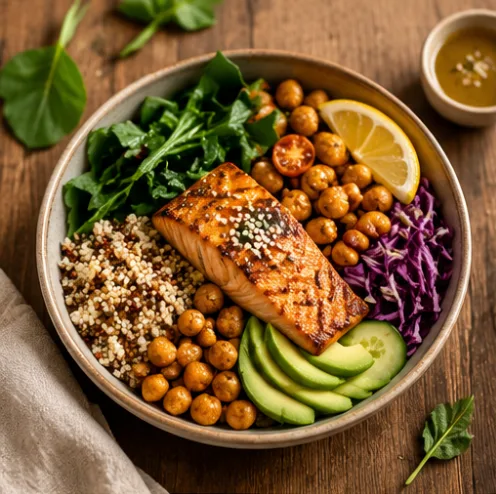
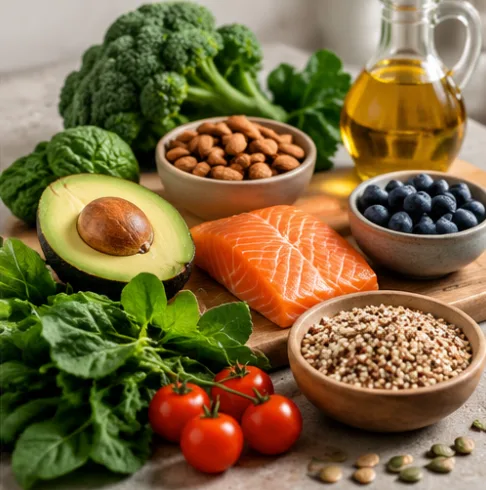
It emphasizes a balanced combination of vegetables, fruit, whole grains, legumes, nuts, olive oil and fish.
These foods provide fiber, unsaturated fats and important nutrients that support metabolic health.
Unlike restrictive diets, Mediterranean-style eating does not require eliminating entire food groups.
It encourages healthier choices that can be maintained over many years.
Which Foods Should You Eat More Often?
Several food groups are particularly useful when building a liver-friendly diet.
Vegetables and fruit provide fiber, vitamins and beneficial plant compounds. Eating a variety of vegetables every day is a practical starting point.
Whole grains, including oats, whole-grain bread and brown rice, provide fiber and may support better blood sugar regulation.
Legumes, such as lentils, beans and chickpeas, provide plant protein and can replace some processed meat meals.
Olive oil, nuts and seeds contain unsaturated fats that support cardiovascular and metabolic health.
Fish, particularly oily fish, provides protein and omega-3 fatty acids.
No single food protects the liver on its own. The overall dietary pattern matters most.
Which Foods and Drinks Should You Limit?
Sugar-sweetened beverages deserve particular attention.
Soft drinks, sweetened juices and energy drinks can provide large amounts of sugar and calories without making you feel full.
Frequent consumption of highly processed snacks, sweets and refined carbohydrates may also contribute to excess energy intake and metabolic problems.
Processed meats and foods rich in saturated fat are best consumed less frequently.
Alcohol can also damage the liver. People with established fatty liver disease should discuss alcohol consumption with their healthcare professional, particularly if liver fibrosis is present.
The objective is not to eliminate every occasional treat, but to improve everyday habits.
Does Losing Weight Improve Fatty Liver?
For people with excess weight, gradual and sustained weight reduction is one of the most effective approaches to improving fatty liver disease.
Losing approximately 5% of body weight can reduce liver fat.
Greater weight reduction may also improve liver inflammation and, in some cases, fibrosis.
However, rapid weight-loss programmes and extreme dietary restrictions are not necessary.
A realistic eating plan combined with regular physical activity is more likely to produce lasting benefits.
Can Liver Health Improve Without Major Weight Loss?
Yes. Improving diet quality and increasing physical activity can benefit metabolic health even when body weight changes only modestly.
Replacing sugary drinks with water, choosing whole grains more often and using olive oil instead of butter are useful examples.
Exercise can improve insulin sensitivity and may reduce liver fat even without substantial weight loss.
Nevertheless, people with established fatty liver disease may need additional weight management and medical follow-up depending on their individual risk.
Do Liver Detox Diets or Supplements Help?
Special juices, cleansing programmes and so-called liver detox products have not been shown to remove accumulated fat from the liver.
Some herbal supplements may even cause liver injury.
The liver already performs essential functions that process and eliminate substances from the body.
Supporting liver health means reducing harmful exposures, improving metabolic health and maintaining healthy everyday habits.
When Should You Discuss Liver Health With a Doctor?
Fatty liver disease often causes no symptoms, and normal liver enzyme results do not exclude significant liver disease.
People with type 2 diabetes, abdominal obesity or multiple metabolic risk factors may benefit from assessment for fatty liver disease and liver fibrosis.
Persistently elevated liver enzymes also require medical evaluation, as several different conditions can cause abnormal results.
Early assessment can identify people who need closer monitoring or additional treatment.
Based on Research
Artola Arita V, et al. Effects of Mediterranean diet, exercise, and their combination on body composition and liver outcomes in metabolic dysfunction-associated steatotic liver disease: a systematic review and meta-analysis of randomized controlled trials. BMC Medicine, August 2025.
EASL–EASD–EASO. Clinical Practice Guidelines on the management of metabolic dysfunction-associated steatotic liver disease (MASLD). Journal of Hepatology, September 2024.
Continue Exploring
* Related Longevity Insights: Which Foods Support Liver Health? (planned LI325) * All Longevity Insights: Explore all articles * Related Research Summaries: RS82 – Can a Mediterranean-Style Diet Improve Liver Health? * All Research Summaries: Explore all research summaries
SEO
Primary Keyword: how to prevent fatty liver disease
Secondary Keywords: fatty liver prevention, diet for liver health, Mediterranean diet, MASLD, foods for healthy liver
SEO Title: Can Your Diet Help Prevent Fatty Liver Disease?
Meta Description: Discover how a Mediterranean-style diet, fewer sugary drinks and healthy everyday habits can help prevent fatty liver disease.
URL Slug: can-diet-prevent-fatty-liver-disease