Does It Matter When You Eat Protein?
Protein helps maintain muscle mass, strength and physical independence as we age.
But does it matter whether we eat most of our protein at dinner or spread it across breakfast, lunch and dinner?
Many people eat relatively little protein in the morning and much more in the evening.
Researchers have investigated whether changing this pattern could help preserve muscle health.
The answer is less straightforward than it may seem.
Why Might Protein Distribution Matter?
Our muscles constantly break down and rebuild proteins.
Eating protein supplies amino acids, which help stimulate muscle protein production.
As we get older, muscles may become less responsive to these signals.
This has led to the idea that including sufficient protein in several meals might stimulate muscle maintenance more regularly throughout the day.
The theory is biologically plausible. However, a short-term response in muscle protein production does not necessarily translate into better long-term strength or physical performance.
Is Protein at Breakfast Especially Important?
Breakfast often contains less protein than other meals.
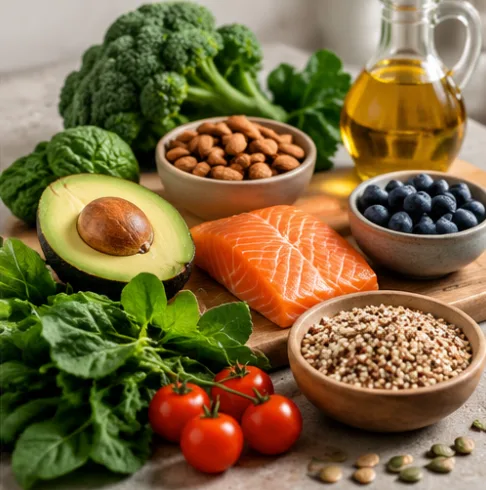
Adding eggs, yogurt, cottage cheese, tofu or other protein-rich foods can help increase daily protein intake.
Some studies suggest that a protein-rich breakfast may benefit muscle health.
However, a 2026 systematic review of randomized clinical trials did not find clear improvements in muscle mass, strength or physical performance from increasing protein intake at breakfast in older adults.
The available evidence was limited, so further research is needed.
This means that eating more protein at breakfast can be useful, but it should not be presented as a proven way to prevent age-related muscle loss.
Should Protein Be Divided Equally Between Meals?
Not necessarily.
Eating protein across several meals is a reasonable approach, particularly if it makes it easier to consume enough during the day.
But research has not established that dividing protein into three equal portions is superior for everyone.
There is also no universally established amount of protein that every person must consume at each meal.
Individual needs depend on age, body size, health, physical activity and total daily intake.
What Matters More Than Perfect Timing?
For most people, the priorities are straightforward:
* Consume enough protein over the whole day. * Include a variety of nutritious protein sources. * Avoid regularly skipping meals if this leads to inadequate intake. * Combine adequate nutrition with regular strength-building exercise.
Protein timing may be worth considering, but it should not distract from these fundamentals.
How Can You Improve Your Daily Protein Intake?
If your breakfast usually consists only of toast and coffee, consider adding yogurt, eggs or a soy-based alternative.
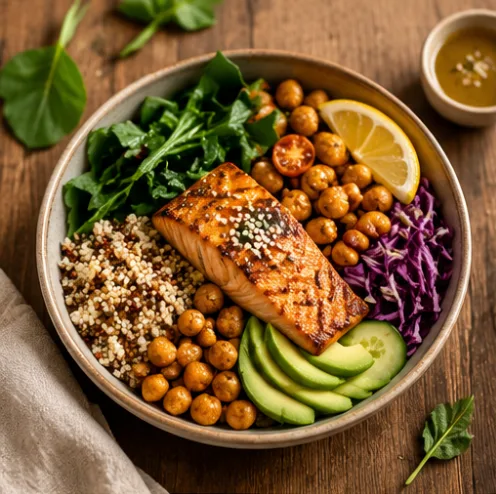
At lunch, include fish, beans, lentils or another protein-rich food.
For dinner, choose a balanced meal containing protein alongside vegetables and other nutritious foods.
There is no need to calculate an exact protein amount for every meal unless you have a specific nutritional goal or medical indication.
The most useful eating pattern is one that provides adequate protein consistently and is practical to maintain.
Based on Research
Hasegawa T, et al. Protein or Amino Acid Intake at Breakfast for Muscle Mass Gain in Older Adults: A Systematic Review and Meta-Analysis. Food Science & Nutrition, July 2026. https://pubmed.ncbi.nlm.nih.gov/42502805/
Khaing IK, Tahara Y, Chimed-Ochir O, et al. Effect of Breakfast Protein Intake on Muscle Mass and Strength in Adults: A Scoping Review. Nutrition Reviews, January 2025. https://pubmed.ncbi.nlm.nih.gov/38219154/