Why Do Minerals Matter?
Minerals are essential nutrients that support bones, muscles, nerves, blood cells and numerous biological processes.
Some, such as calcium, magnesium and potassium, are required in relatively large amounts.
Others are needed in very small quantities and are called trace elements.
These include zinc, selenium, iodine, copper and manganese.
Although their required amounts differ, both groups are essential for normal body function.
In longevity discussions, magnesium, zinc and selenium receive particular attention because of their roles in metabolism, immunity and cellular protection.
However, their importance does not mean that taking more than the body needs will improve health.
Magnesium: Muscles, Nerves and Energy Metabolism
Magnesium participates in hundreds of biochemical reactions.
It contributes to normal muscle function, nerve signaling, heart rhythm and energy metabolism.
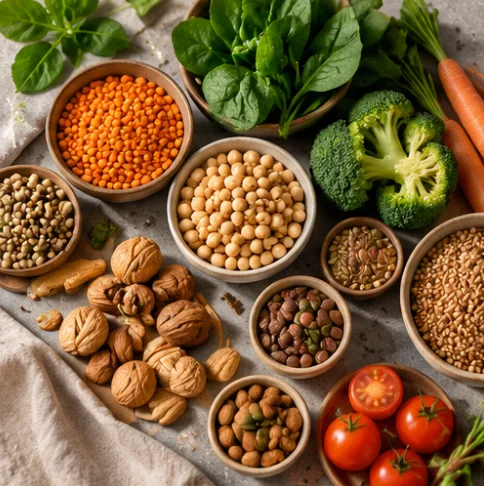
Good dietary sources include nuts, seeds, legumes, whole grains and green vegetables.
Magnesium supplements are frequently promoted for sleep, stress and muscle recovery.
However, evidence for many of these benefits is limited in people without magnesium deficiency.
Excessive supplementation can cause diarrhea and may be dangerous in people with significant kidney impairment.
Calcium and Potassium: Bones and Cardiovascular Health
Calcium is essential for maintaining bones and teeth. It also contributes to muscle contraction and nerve function.
Adequate calcium intake is particularly important for people at risk of osteoporosis.
Potassium helps regulate fluid balance, nerve signals and blood pressure.
Foods rich in potassium include vegetables, fruit, legumes and potatoes.
Adequate dietary potassium supports cardiovascular health, but potassium supplements and potassium-based salt substitutes may be unsafe for people with impaired kidney function or those taking certain medications.
Iron: Oxygen Transport and Energy
Iron is required to produce hemoglobin, which carries oxygen in the blood.
Iron deficiency can cause anemia, fatigue, reduced physical performance and difficulty concentrating.
However, iron deficiency is not the only cause of fatigue.
In older adults, confirmed iron deficiency may require investigation to identify the underlying cause, including possible blood loss.
Iron supplements should not be taken routinely without an appropriate indication because excessive iron can be harmful.
Zinc: Immunity and Tissue Repair
Zinc is an essential trace element involved in immune function, wound healing and normal cell division.
It is found in meat, seafood, dairy products, legumes, nuts and seeds.
Zinc deficiency can affect immunity and wound healing.
However, additional zinc does not necessarily improve health when intake is already adequate.
Long-term high-dose zinc supplementation can interfere with copper absorption and cause copper deficiency.
Selenium: Thyroid Function and Cellular Protection
Selenium is needed for enzymes involved in thyroid hormone metabolism and protection against oxidative damage.
It is found in fish, eggs, meat, grains and Brazil nuts.
Selenium supplements are frequently marketed for antioxidant protection and longevity.
However, routine supplementation has not been shown to extend human lifespan or reliably prevent cancer.
Excessive selenium intake can cause toxicity, including hair loss, nail changes and neurological symptoms.
Iodine, Copper and Manganese: Small Amounts, Important Functions
Iodine is necessary for thyroid hormone production. Both deficiency and excess can disrupt thyroid function.
Copper contributes to iron metabolism, connective tissue formation and normal nervous system function.
Manganese supports several enzymes involved in metabolism and cellular protection.
These trace elements are needed only in small amounts.
Deficiencies are uncommon in people eating a varied diet, and routine supplementation is generally unnecessary.
Essential Minerals Are Not the Same as Toxic Metals
Some elements, including lead, mercury and cadmium, have no established essential nutritional role in humans.
Exposure to these substances can harm the nervous system, kidneys and other organs.
They should not be confused with essential trace elements such as zinc or selenium.
Even essential minerals can become harmful when consumed in excessive amounts.
Do Mineral Supplements Support Longevity?
Correcting a genuine mineral deficiency can improve health and prevent complications.
However, routine supplementation in people with adequate nutritional status has not been shown to extend human lifespan.
Testing and supplementation should be guided by dietary intake, medical conditions, medications and individual risk factors.
A varied diet remains the foundation of adequate mineral intake.
Based on Research
European Food Safety Authority (EFSA). Dietary Reference Values for Nutrients. https://www.efsa.europa.eu/en/topics/topic/dietary-reference-values
National Institutes of Health, Office of Dietary Supplements. Vitamin and Mineral Fact Sheets. https://ods.od.nih.gov/factsheets/list-all/
Volkert D, Beck AM, Cederholm T, et al. ESPEN practical guideline: Clinical nutrition and hydration in geriatrics. Clinical Nutrition, 2022. https://doi.org/10.1016/j.clnu.2022.01.024