Why Does the Type of Fat Matter?
Fat is an essential part of a healthy diet. It provides energy, helps build cell membranes and allows the body to absorb vitamins A, D, E and K.
But not all dietary fats have the same effects on health.
For healthy aging, the most important question is not simply how much fat we eat, but which fats we choose and which foods they replace.
What Are Unsaturated Fats?
Unsaturated fats are found mainly in plant foods and fish.
There are two main types.
Monounsaturated fats are abundant in olive oil, avocados and certain nuts.
Polyunsaturated fats are found in walnuts, seeds, vegetable oils and fish.
Replacing some saturated fats with unsaturated fats can help lower LDL cholesterol, which contributes to atherosclerosis and cardiovascular disease.
This is particularly important because maintaining cardiovascular health is a central part of healthy aging.
What About Saturated Fats?
Saturated fats are found in butter, fatty meats, cheese, cream and some tropical oils, including coconut oil.
They are not all found in foods with the same nutritional characteristics.
However, diets high in saturated fat can increase LDL cholesterol, particularly when saturated fats replace unsaturated fats.
The practical goal is not to eliminate every food containing saturated fat.
It is to favor healthier fat sources more often.
For example, replacing butter with olive oil or choosing nuts instead of processed meat can improve the overall quality of the diet.
Replacing saturated fat with refined sugar or other refined carbohydrates does not provide the same cardiovascular advantages.
Why Are Omega-3 Fatty Acids Important?
Omega-3 fatty acids are a type of polyunsaturated fat.
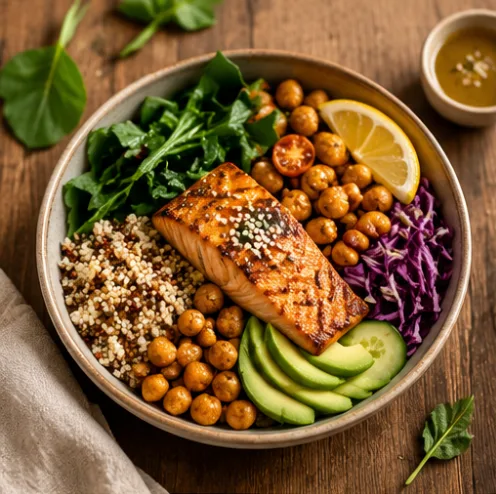
Oily fish, such as salmon, sardines and mackerel, provide the omega-3 fatty acids EPA and DHA.
Walnuts, flaxseeds and chia seeds contain another omega-3 fatty acid called ALA.
Omega-3 fatty acids contribute to normal cellular function and are involved in cardiovascular and inflammatory processes.
Eating fish can be part of a heart-healthy dietary pattern.
However, omega-3 supplements are not automatically necessary for everyone, and their clinical benefits depend on the formulation, dose and individual medical circumstances.
Are Olive Oil and Nuts Good Choices?
Olive oil, particularly extra virgin olive oil, provides monounsaturated fats and naturally occurring plant compounds.
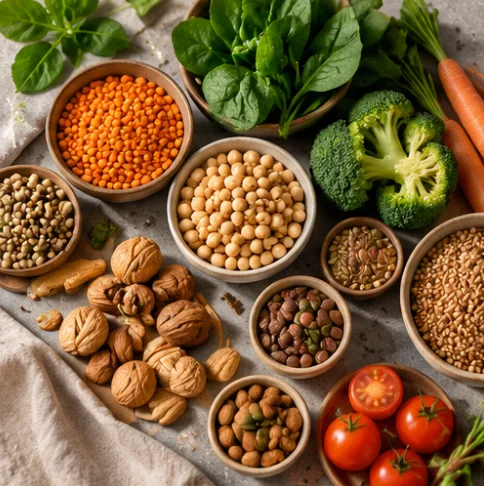
Nuts provide unsaturated fats, fiber, minerals and protein.
Both are important components of Mediterranean-style dietary patterns associated with better cardiovascular health.
The benefits come from the overall diet rather than from a single ingredient acting as an anti-aging treatment.
What About Trans Fats?
Industrially produced trans fats are particularly undesirable because they adversely affect blood cholesterol and cardiovascular risk.
They were historically found in some products made with partially hydrogenated oils.
Their use has been substantially restricted in many countries, but checking ingredient lists remains useful where these products are still available.
How Can You Make Better Fat Choices?
Small changes can make a meaningful difference:
* Use olive oil or other unsaturated vegetable oils more often instead of butter. * Eat nuts and seeds regularly in appropriate portions. * Include fish, particularly oily fish, as part of a varied diet. * Limit frequent consumption of processed meats. * Consider the overall nutritional quality of foods, not only their fat content.
There is no need to follow an extremely low-fat diet to support healthy aging.
Do Healthy Fats Help Us Live Longer?
Recent research supports replacing saturated fats with unsaturated fats as part of a dietary pattern associated with better cardiovascular outcomes.
However, no single fat or oil can guarantee a longer life.
The most useful approach is to choose nutritious fat sources consistently over time.
Based on Research
Sun Q, Hu FB. Fatty Acids, Their Food Sources, and Cardiovascular Disease: Current Evidence and Controversies Surrounding the 2025–2030 Dietary Guidelines for Americans. The Journal of Nutrition, August 2026. https://pubmed.ncbi.nlm.nih.gov/42288139/
Risérus U, Fridén M. Cardiometabolic benefits of replacing saturated fatty acids with unsaturated fatty acids. Current Opinion in Clinical Nutrition and Metabolic Care, March 2026. https://pubmed.ncbi.nlm.nih.gov/41461015/