Does It Matter Where Your Protein Comes From?
Getting enough protein is important for maintaining muscle strength and physical independence as we age.
But is protein from eggs, fish or dairy products different from protein found in beans, lentils or tofu?
The answer is yes, although both animal and plant proteins can contribute to a healthy diet.
The differences involve their amino acid composition, digestibility and the other nutrients that come with them.
What Makes a Protein High Quality?
Proteins are made from building blocks called amino acids.
Nine amino acids are considered essential because our bodies cannot produce them. We must obtain them through food.
Protein quality depends partly on whether a food provides these amino acids in sufficient proportions and how efficiently the body can digest and absorb them.
Animal proteins generally contain all nine essential amino acids in proportions that are readily used by the body.
Many plant proteins contain smaller amounts of one or more essential amino acids, although soy foods are a particularly useful source of high-quality plant protein.
This does not mean plant proteins are inadequate. Eating a variety of plant foods can provide all the essential amino acids we need.
Why Is Leucine Important for Aging Muscles?
Leucine is an essential amino acid that helps stimulate muscle protein production.
As we age, our muscles may become less responsive to protein intake. This is sometimes called anabolic resistance.
Foods such as dairy products, eggs, fish, meat and soy provide leucine.
However, taking leucine supplements is not automatically better than eating adequate amounts of protein-rich foods.
Maintaining muscle health depends on overall protein intake, regular physical activity and other factors.
Animal or Plant Protein: Which Is Better?
Animal proteins are generally more digestible and may stimulate muscle protein production more efficiently gram for gram.
However, differences in laboratory measures do not always translate into meaningful differences in strength or physical performance.
A 2025 systematic review comparing animal and plant proteins found a small overall advantage for animal protein in muscle mass, but no clear difference in muscle strength or physical performance. The muscle-mass advantage was not evident in the subgroup of older adults.
This suggests that protein source matters, but the distinction is less straightforward than simply labeling one type superior.
What About Cardiovascular and Metabolic Health?
Protein-rich foods contain much more than protein.
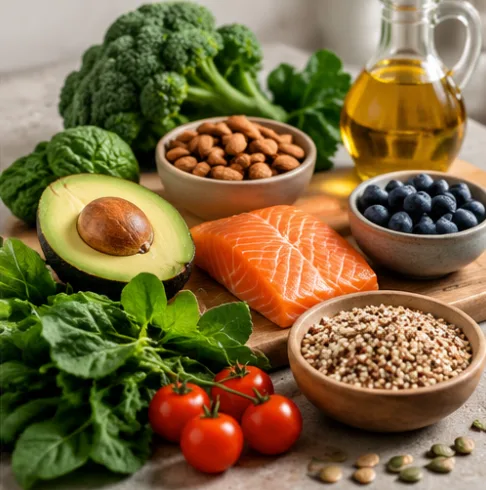
Beans and lentils provide fiber, while nuts contain unsaturated fats.
Fish supplies valuable nutrients, including omega-3 fatty acids in oily species.
Dairy products can provide calcium and vitamin B12.
Some processed meats, by contrast, contain substantial amounts of salt and other ingredients that make them less desirable as everyday protein sources.
For healthy aging, it is important to consider the whole food and the overall dietary pattern—not protein quality alone.
Can You Get Enough Protein on a Plant-Based Diet?
Yes.
A well-planned plant-based diet can provide adequate protein, including for older adults.
Useful sources include tofu, tempeh, soy milk, lentils, beans, chickpeas, nuts and seeds.
Combining different plant protein sources across the day helps provide a balanced amino acid intake. They do not need to be combined in every individual meal.
People eating exclusively plant-based diets should also ensure adequate vitamin B12 intake.
What Is the Best Practical Approach?
Choose a variety of protein-rich foods and make sure your total daily intake is sufficient.
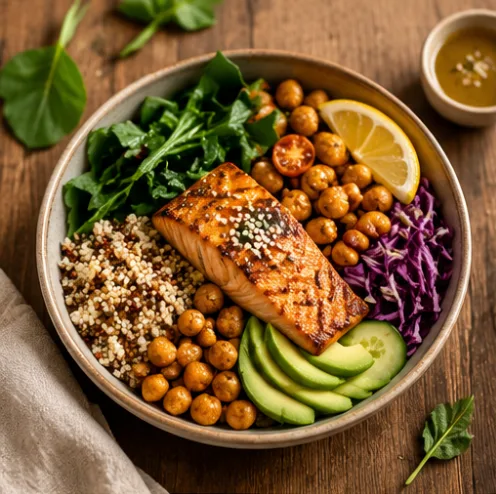
For people who eat animal products, fish, eggs and dairy can be combined with legumes, nuts and other plant foods.
For those following vegetarian or vegan diets, soy products, legumes and other protein-rich foods can provide a strong nutritional foundation.
Regular resistance exercise remains important regardless of which protein sources you choose.
Based on Research
Reid-McCann RJ, et al. Effect of Plant Versus Animal Protein on Muscle Mass, Strength, Physical Performance, and Sarcopenia: A Systematic Review and Meta-analysis of Randomized Controlled Trials. Nutrition Reviews, 2025. https://pubmed.ncbi.nlm.nih.gov/39813010/
Stoodley IL, Williams LM, Wood LG. Effects of Plant-Based Protein Interventions, with and without an Exercise Component, on Body Composition, Strength and Physical Function in Older Adults: A Systematic Review and Meta-Analysis of Randomized Controlled Trials. Nutrients, September 2023. https://doi.org/10.3390/nu15184060