Food and Health: Nutrition for Cardiovascular Disease Prevention and Management — The 2026 ACC Scientific Statement
Summary ID06-ND-RS-00081
Research Summary
Original Publication
Food and Health: Nutrition for Prevention and Management of Cardiovascular Disease: 2026 ACC Scientific Statement: A Report of the American College of Cardiology
Journal
Journal of the American College of Cardiology, .
- Category
- 06Nutrition & Diet
- Evidence
- ACC Scientific Statement — Expert Consensus and Comprehensive Evidence Synthesis
- Summary Type
- Latest
What Was Studied?
Nutrition plays a central role in cardiovascular and metabolic health. Yet dietary recommendations remain an area of considerable debate, particularly regarding fats, protein intake, food processing and popular weight-loss diets.
In 2026, the American College of Cardiology (ACC) published a major scientific statement examining the evidence on nutrition in cardiovascular disease prevention and management.
The expert panel reviewed randomized clinical trials, prospective cohort studies, systematic reviews and mechanistic research. The publication assessed established dietary patterns, individual food groups, nutrient quality and emerging approaches to nutritional care.
It also addressed controversies surrounding the 2025–2030 Dietary Guidelines for Americans, including recommendations for higher protein intake and the role of animal-derived fats.
The statement extends beyond conventional dietary advice. It examines intermittent fasting, ketogenic diets, nutritional supplements, modern obesity medications, access to healthy food and the future of personalized nutrition.
Its central conclusion is that cardiovascular prevention depends on the quality of the overall diet, the sources of nutrients and dietary habits that can be sustained over time.
Key Findings
Healthy Dietary Patterns Have the Strongest Cardiovascular Evidence
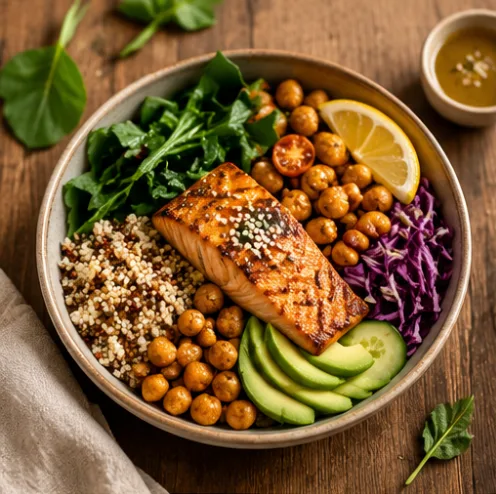
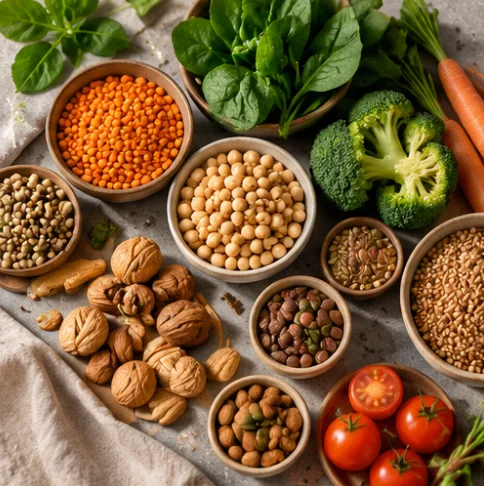
Dietary patterns rich in vegetables, fruits, whole grains, legumes, nuts and unsaturated fats are consistently associated with lower cardiovascular risk.
The Mediterranean diet and DASH dietary pattern have particularly strong supporting evidence.
Randomized trials, including PREDIMED and CORDIOPREV, provide important evidence for Mediterranean-style eating in primary and secondary cardiovascular prevention.
These dietary patterns can lower blood pressure, reduce LDL cholesterol and support healthier blood glucose levels, although the magnitude of each effect varies across interventions and populations.
They also emphasize foods that provide fibre, essential nutrients and beneficial plant compounds.
A predominantly plant-based diet can include fish and selected dairy products.
The strongest evidence supports a consistent, high-quality dietary pattern, with particular emphasis on plant foods and unsaturated fat sources.
Replacing Saturated Fats With Unsaturated Fats Remains a Priority
The cardiovascular effects of dietary fat depend on its composition and the foods used as replacements.
Replacing saturated fats with unsaturated fats lowers LDL cholesterol and supports cardiovascular risk reduction.
Olive oil, rapeseed oil, other liquid vegetable oils, nuts and seeds are recommended sources.
Butter, animal fats and tropical oils rich in saturated fat are less favourable choices.
Importantly, replacing saturated fats with refined carbohydrates or added sugars does not provide comparable cardiovascular benefits.
The statement also examines differences between dairy products. Butter, cheese, milk and fermented dairy foods have distinct nutritional characteristics and should be evaluated separately.
Evidence concerning full-fat dairy remains heterogeneous. These uncertainties do not establish a cardiovascular advantage for butter or other saturated-fat-rich foods.
Replacing saturated fats with unsaturated plant oils is among the best-supported dietary strategies for lowering LDL cholesterol and cardiovascular risk.
Protein Quality Matters, and Higher Intake Is Not Necessary for Everyone
Protein is essential for maintaining muscle mass, physical function and metabolic health.
However, cardiovascular outcomes are influenced by protein sources.
Legumes, nuts and other plant proteins are associated with lower cardiovascular risk, particularly when they replace red or processed meat.
Fish also contributes to a healthy dietary pattern.
A notable aspect of the ACC statement is its critical assessment of the higher protein targets proposed in the 2025–2030 US Dietary Guidelines.
The suggested intake of 1.2–1.6 grams per kilogram of body weight daily has not been shown to provide additional cardiovascular benefits for all adults.
Much of the supporting evidence comes from studies involving weight management, with limited information on long-term cardiovascular events.
Higher protein intake may still be appropriate for older adults at risk of muscle loss, physically active individuals and selected patients undergoing weight reduction.
Protein recommendations should be individualized, with attention to food sources, muscle health, nutritional status and kidney function.
Carbohydrate Quality, Fibre and Sodium Influence Cardiometabolic Health
Whole grains, legumes, vegetables and fruits provide fibre and nutrients that support cardiovascular and metabolic health.
Higher fibre intake is associated with lower LDL cholesterol, better blood glucose control and reduced cardiovascular risk.
A daily intake of approximately 25 grams or more is a useful general target for many adults.
Refined grains and sugar-sweetened beverages offer fewer nutritional benefits and are associated with higher cardiometabolic risk.
Reducing excessive sodium intake remains an established intervention for lowering blood pressure.
Potassium-rich foods can provide additional benefits. Potassium-containing salt substitutes may also lower blood pressure and reduce cardiovascular events in selected populations.
However, these substitutes require caution in people with impaired kidney function or those taking medications that increase potassium levels.
Fibre-rich carbohydrates and lower sodium intake remain fundamental elements of cardiovascular prevention.
Ultra-Processed Foods Require a More Precise Assessment
Higher consumption of ultra-processed foods is associated with increased cardiovascular and metabolic risk.
The strongest concerns involve sugar-sweetened beverages, processed meats and products rich in refined starches, added sugars, sodium or saturated fats.
However, ultra-processed foods represent a diverse category.
Some commercially prepared whole-grain breads, yoghurts and breakfast cereals retain favourable nutritional characteristics despite their classification.
The statement recognizes that the relationship between food processing and health is complex. Nutritional composition, food structure and processing methods may all contribute.
The cardiovascular implications of ultra-processed foods differ substantially between products. Nutritional quality remains essential to their assessment.
Popular Dietary Approaches Have Benefits but Important Evidence Gaps
Low-carbohydrate diets can lower blood glucose levels and support weight loss in selected individuals, particularly those with type 2 diabetes.
Their cardiovascular effects depend on the foods replacing carbohydrates.
Diets emphasizing plant proteins and unsaturated fats are generally associated with lower cardiovascular risk than those dominated by saturated animal fats.
Ketogenic diets high in saturated fat may substantially increase LDL cholesterol in some individuals.
Intermittent fasting can support weight loss and lower selected metabolic risk markers over the short term.
However, available trials have not demonstrated consistent superiority over conventional calorie restriction for long-term cardiovascular outcomes.
Evidence of reduced cardiovascular events or extended human lifespan remains insufficient.
The ACC supports sustainable, nutritionally adequate dietary strategies, with careful consideration of individual metabolic and cardiovascular risk.
Fish, Supplements, Alcohol and Beverages Have Distinct Health Implications
Regular fish consumption is supported within a balanced dietary pattern.
Routine omega-3 supplementation is not recommended for primary cardiovascular prevention in otherwise healthy adults.
Specific prescription formulations may reduce cardiovascular events in selected high-risk patients, although these treatments have different indications and evidence from standard supplements.
The statement also discusses the increased atrial fibrillation risk observed in some trials of high-dose omega-3 preparations.
Alcohol consumption should not be initiated for cardiovascular protection. Any potential cardiovascular associations must be considered alongside established health risks, including cancer.
Moderate filtered coffee and tea consumption is generally compatible with cardiovascular health for most adults.
Much of the evidence for their long-term benefits remains observational. Unfiltered coffee can increase LDL cholesterol because of naturally occurring coffee compounds.
Water and unsweetened beverages remain appropriate choices for everyday hydration.
Nutrition Is Essential During Modern Obesity Treatment
Medications acting on the GLP-1 pathway can produce substantial weight loss and reduce cardiovascular events in selected patient populations.
However, reduced appetite and lower energy intake may compromise nutritional adequacy.
Insufficient protein, fibre and micronutrient intake are important concerns. Significant weight loss may also involve loss of lean body mass.
Adequate nutrition, resistance exercise and individualized dietary support can help preserve muscle mass and physical function.
These measures are particularly important for older adults and individuals at risk of malnutrition or sarcopenia.
Successful obesity treatment requires attention to nutritional quality, muscle preservation and long-term metabolic health.
Personalized Nutrition Is Promising, but Clinical Evidence Remains Limited
Advances in genetics, microbiome research, metabolomics and artificial intelligence are creating new opportunities for individualized dietary assessment.
These approaches may eventually provide more accurate identification of nutritional needs and metabolic responses.
However, evidence that they reduce long-term cardiovascular events remains limited.
The statement also highlights the importance of access to healthy food and structured nutritional support.
Programmes commonly described as Food Is Medicine may increase consumption of nutritious foods and reduce barriers to healthy eating. Further research is needed to establish their effects on major clinical outcomes.
Personalized nutrition is an evolving field. Established dietary principles remain the foundation of cardiovascular prevention.
Why It Matters for Longevity
Cardiovascular disease develops gradually, often over decades before symptoms become apparent.
Nutrition influences several biological and clinical pathways associated with long-term health, including lipid metabolism, blood pressure, glucose regulation, inflammation and body composition.
The ACC statement provides a valuable scientific foundation for healthy aging because cardiovascular and metabolic health are major determinants of later-life function and disease risk.
Its findings also clarify the limits of current longevity claims.
Some dietary approaches lower established cardiovascular risk factors. Others have demonstrated reductions in cardiovascular events. Direct evidence that a specific diet slows biological aging or extends human lifespan is more limited.
For longevity-oriented prevention, dietary quality should therefore be assessed alongside metabolic health, muscle preservation and individual clinical risk.
A sustainable, nutrient-rich diet supports the cardiovascular and metabolic foundations of healthy aging. Its greatest value comes from consistent application throughout adult life.
Clinical Perspective
The 2026 ACC Scientific Statement offers an extensive assessment of nutrition as an integral component of preventive cardiology.
Its strongest recommendations are supported by multiple lines of evidence: Mediterranean-style dietary patterns, replacement of saturated fats with unsaturated fats, fibre-rich plant foods and sodium reduction.
The statement also addresses important differences between established evidence and emerging nutritional concepts.
Universal high-protein recommendations lack sufficient evidence of additional cardiovascular benefit. The effects of low-carbohydrate diets depend on food composition. Intermittent fasting has not demonstrated superior long-term cardiovascular outcomes. Ultra-processed foods require differentiated evaluation.
The ACC also reinforces the distinction between changes in cardiovascular risk factors and demonstrated reductions in clinical events.
Lower LDL cholesterol, reduced blood pressure, lower blood glucose and weight reduction are clinically relevant outcomes. However, evidence of a direct effect on mortality or lifespan requires appropriately designed long-term studies.
Individualized nutritional care remains essential, particularly in patients with chronic disease, frailty, muscle loss or specific dietary requirements.
The clinical value of nutrition lies in combining established preventive strategies with careful assessment of individual needs and the strength of available evidence.
Key Takeaway
Dietary patterns rich in plant foods, fibre and unsaturated fats provide strong evidence-based support for cardiovascular prevention. The 2026 ACC statement also emphasizes food quality, individualized nutritional needs and careful interpretation of emerging dietary approaches.
Reviewed and Summarized by

Source Publication
- Title:
- Food and Health: Nutrition for Prevention and Management of Cardiovascular Disease: 2026 ACC Scientific Statement: A Report of the American College of Cardiology
- Authors:
- Hu FB, Beleslin B, Blaha MJ, Kris-Etherton PM, Seligman HK, Williams KA Sr.
- Journal:
- Journal of the American College of Cardiology, September 2026.