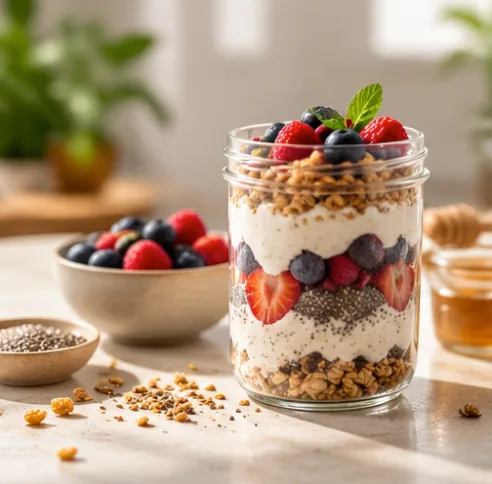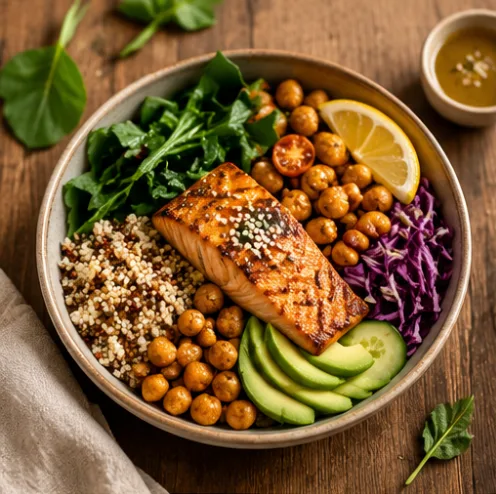
Protein is essential for maintaining muscles, repairing tissues and supporting healthy aging. But where your protein comes from matters, too.
Beans, fish, eggs, milk, chicken and beef all provide protein. Yet they differ in the fats, fibre and other nutrients they contain.
The American Heart Association’s 2026 dietary guidance recommends choosing healthy protein sources, with particular emphasis on plant-based foods, fish and seafood.
So which foods should you put on your plate?
Plant Proteins: Beans, Lentils and Chickpeas
Legumes are among the most useful protein-rich foods to include regularly.
They provide protein together with dietary fibre, minerals and other beneficial plant compounds.
Good choices include:
- Lentils: Add them to soups, salads or vegetable dishes.
- Chickpeas: Use them in hummus, salads or roasted vegetable bowls.
- Beans: Add kidney beans, white beans or black beans to soups and main meals.
- Soybeans and tofu: Useful alternatives to meat in everyday cooking.
Unlike meat, legumes also provide substantial amounts of fibre. This supports digestive health, and certain types of fibre can help lower LDL cholesterol.
A simple choice: Replace part of the minced meat in a pasta sauce with cooked lentils, or prepare a chickpea salad instead of a meat-based lunch.
Nuts and Seeds: Small Portions, Valuable Nutrients
Almonds, walnuts, pistachios and pumpkin seeds provide plant protein.
They are also rich in unsaturated fats, which can support cardiovascular health when they replace foods high in saturated fat.
However, nuts and seeds contain less protein per typical serving than many people expect.
A small handful of almonds provides approximately 6 g of protein. Pumpkin seeds provide around 9 g per 30 g serving.
They are valuable additions to a healthy diet, but usually work best alongside other protein sources.
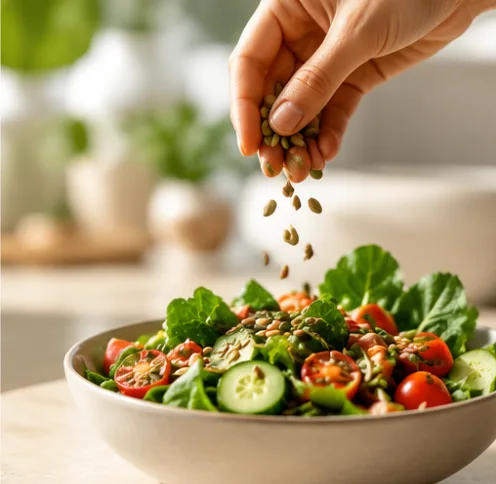
A simple choice: Add walnuts to breakfast oats, pumpkin seeds to a salad or a small handful of unsalted nuts as a snack.
Milk, Yoghurt and Cheese: Do They Provide Protein?
Yes. Milk is a source of complete protein, meaning it contains all nine essential amino acids.
A glass of cow’s milk (250 ml) provides approximately 8 g of protein.
Plain yoghurt also contains protein, although the amount varies considerably between products.
Skyr and strained Greek-style yoghurt often contain substantially more protein than regular yoghurt.
Cheese can also be protein-rich, but some varieties contain considerable amounts of saturated fat and salt.
The AHA continues to recommend low-fat and fat-free dairy products for cardiovascular health. However, evidence comparing the long-term cardiovascular effects of full-fat and reduced-fat dairy remains uncertain.
What about plant-based milk alternatives?
Unsweetened soy drinks often provide protein amounts similar to cow’s milk. Almond, oat and rice drinks generally contain much less, unless specially formulated.
A simple choice: Choose plain yoghurt or skyr instead of a sweetened dairy dessert. Check the protein and added-sugar content on the label.
Fish, Chicken and Eggs: How Do They Compare?
Fish provides complete protein and, depending on the species, beneficial omega-3 fatty acids.
Salmon, sardines, trout and mackerel are particularly useful choices.
Regular fish consumption is associated with cardiovascular benefits. Eating fish is not equivalent to taking fish-oil supplements, which have different evidence and potential risks.
Chicken and turkey also provide complete protein.
Skinless poultry is generally lower in saturated fat than many fatty cuts of red meat, making it a useful option for regular meals.
Eggs provide approximately 6–7 g of protein each, along with several important vitamins and minerals.
For most healthy adults, eggs can fit into a balanced dietary pattern. Individual advice may differ for people with certain lipid disorders or elevated cardiovascular risk.
A simple choice: Include fish regularly, choose unprocessed poultry and vary your meals with plant-based protein sources.
What About Red Meat, Steak and Venison?
Red meat is an excellent source of complete protein, iron, zinc and vitamin B12.
But it is important to distinguish fresh, unprocessed meat from processed meat.
A fresh beef steak, tenderloin or venison fillet is not classified as processed meat.
Bacon, salami, sausages and many cured or smoked meats are processed products.
Processed meat is associated with higher cardiovascular and colorectal cancer risks and should be minimized.
Is a Good-Quality Steak a Healthy Choice?
A lean, unprocessed steak can be part of a balanced diet.
Tenderloin generally contains less saturated fat than fattier cuts of beef.
However, nutritional value and long-term cardiovascular protection are different questions.
The AHA recommends limiting red meat and choosing plant proteins, fish and other nutritious alternatives more often.
An occasional lean steak can fit into a heart-healthy diet. It does not need to be an everyday protein source.
Is Venison Healthier Than Beef?
Venison includes meat from deer, such as red deer and roe deer. Wild boar is another form of game meat.
These meats can be relatively lean and provide substantial amounts of protein, iron and vitamin B12.
Animals living in the wild have different diets and activity patterns from farmed livestock. This can influence the nutritional composition of their meat.
However, there is insufficient clinical evidence to conclude that eating venison regularly provides greater cardiovascular protection than other protein sources.
Wild game also requires appropriate veterinary inspection and food-safety precautions. Wild boar must be tested for Trichinella, and meat from animals shot with lead ammunition may contain lead fragments.
Fresh venison can be a nutritious alternative to fattier meats, but it remains red meat.
How Much Protein Do Common Foods Provide?
The following examples show approximate protein amounts in everyday portions.
- Cooked lentils — 150 g — 13–14 g
- Cooked chickpeas — 150 g — 12–13 g
- Cooked beans — 150 g — 11–13 g
- Firm tofu — 150 g — 15–23 g
- Almonds — 30 g — 6 g
- Pumpkin seeds — 30 g — 9 g
- Cow’s milk — 250 ml — 8 g
- Plain yoghurt — 150 g — 5–7 g
- Skyr — 150 g — 15–17 g
- One large egg — 1 — 6–7 g
- Cooked salmon — 100 g — 22–25 g
- Cooked chicken breast — 100 g — 30–31 g
- Cooked lean beef — 100 g — 26–30 g
Values are approximate and vary by product, brand and preparation method. Meat and fish values refer to cooked portions.
The amount of protein is only part of the picture.
A food may provide substantial protein while also containing saturated fat, sodium or little dietary fibre.
The healthiest protein choices combine adequate protein with a favourable overall nutritional profile.
Five Easy Ways to Improve Your Protein Choices
- Include legumes more often. Add lentils, chickpeas or beans to soups, salads and main meals.
- Choose fish regularly. Replace some meat-based meals with salmon, trout, sardines or other fish.
- Use nuts and seeds wisely. Add small portions of unsalted nuts or seeds to everyday meals.
- Check dairy labels. Compare protein, saturated fat and added sugar when choosing milk, yoghurt or cheese.
- Choose fresh meat over processed meat. Enjoy lean, unprocessed meat in moderation and minimize bacon, sausages and cured meats.
Small changes in everyday food choices can improve the nutritional quality of your diet without requiring complicated meal plans.
Why Protein Choices Matter for Healthy Aging
Adequate protein becomes increasingly important with age because it helps maintain muscle mass, strength and physical function.
However, cardiovascular health also depends on the foods supplying that protein.
Legumes, nuts, fish, dairy, eggs and lean meats can all contribute to adequate protein intake. Their nutritional profiles differ, and variety helps provide a broader range of essential nutrients.
Older adults may need particular attention to total protein intake, especially when appetite is reduced or muscle loss is present. Protein needs should be assessed individually, particularly in people with kidney disease.
The goal is to obtain enough protein while choosing foods that also support long-term cardiovascular and metabolic health.
Based on Research
Lichtenstein AH, et al. 2026 Dietary Guidance to Improve Cardiovascular Health: A Scientific Statement From the American Heart Association. Circulation, March 2026.
https://www.ahajournals.org/doi/10.1161/CIR.0000000000001435