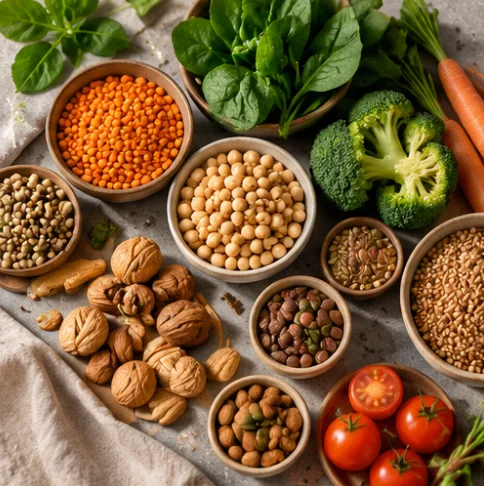
A heart-healthy diet starts with everyday food choices. What you eat can influence LDL cholesterol, blood pressure, blood glucose and your risk of cardiovascular disease over time.
In its 2026 Scientific Statement on nutrition and cardiovascular disease prevention, the American College of Cardiology (ACC) reviewed the evidence on dietary patterns, fats, protein, carbohydrates and food quality.
The recommendations provide a practical foundation for building a diet that supports long-term cardiovascular health.
Eat More Vegetables, Fruit and Legumes
Vegetables, fruit, beans and lentils provide fibre, vitamins, minerals and beneficial plant compounds.
Include vegetables in your main meals and choose a variety of colours throughout the week.
Fresh, frozen and unsweetened canned options can all be part of a healthy diet.
Try this: Fill approximately half your lunch or dinner plate with vegetables. Add beans or lentils to salads, soups and main dishes.
Choose Whole Grains and Fibre-Rich Foods
Whole grains, oats, barley and legumes provide dietary fibre.
Soluble fibre can help lower LDL cholesterol. Higher fibre intake is also associated with a lower risk of cardiovascular disease.
The ACC statement supports a daily fibre intake of approximately 25 grams or more for many adults.
Choose whole-grain bread, oatmeal and brown rice more often than refined grains.
Try this: Start the day with oatmeal, berries and nuts. Replace white bread with whole-grain bread.
Replace Saturated Fats With Unsaturated Fats
The type of fat in your diet directly affects LDL cholesterol.
Replacing saturated fats with unsaturated fats can lower LDL cholesterol and reduce cardiovascular risk.
Use olive oil, rapeseed oil and other liquid vegetable oils. Include nuts and seeds regularly.
Limit butter, fatty processed meats and foods rich in saturated fat.
Replacing saturated fat with refined carbohydrates or added sugars does not provide the same cardiovascular benefits.
Try this: Use olive oil instead of butter when preparing vegetables, salads and everyday meals.
Choose Healthy Protein Sources
Protein is essential for maintaining muscle mass and physical function, particularly with increasing age.
The ACC emphasizes the importance of protein sources.
Beans, lentils, nuts and fish are valuable choices. Replacing red and processed meats with plant protein sources is associated with lower cardiovascular risk.
Higher protein intake may be appropriate for some older adults, physically active individuals and people at risk of muscle loss. It is not necessary for everyone.
Try this: Include legumes several times a week and choose fish regularly. Keep processed meat consumption low.
Reduce Salt and Sugary Drinks
Excess sodium contributes to elevated blood pressure.
Reducing sodium intake can help lower blood pressure and support cardiovascular prevention.
Use herbs, garlic, lemon and spices to flavour meals. Check food labels, particularly on sauces, ready meals and processed meats.
Sugar-sweetened beverages contribute substantial amounts of added sugar without providing meaningful nutritional benefits.
Try this: Choose water or unsweetened tea instead of sugary drinks. Season meals with herbs and spices before adding salt.
Look Beyond Weight Loss When Choosing a Diet
Low-carbohydrate diets and intermittent fasting can help some people lose weight or lower blood glucose.
Their long-term cardiovascular benefits remain less certain.
Ketogenic diets rich in saturated fats may substantially increase LDL cholesterol in some individuals.
The ACC recommends evaluating dietary approaches according to their nutritional composition and cardiovascular effects.
Weight loss alone does not establish that a diet protects the heart.
Make Heart-Healthy Eating Part of Your Routine
The Mediterranean and DASH dietary patterns have strong scientific support.
Both emphasize vegetables, fruit, whole grains, legumes and nutritious sources of protein. They also encourage lower sodium intake and healthier fat choices.
You can apply these principles without following a rigid meal plan.
A typical day might include:
- Breakfast: Oatmeal with berries, plain yoghurt and walnuts.
- Lunch: Lentil salad with vegetables, olive oil and whole-grain bread.
- Dinner: Baked fish with vegetables and barley or brown rice.
- Snack: Fresh fruit or a small handful of unsalted nuts.
Choose foods you enjoy and can prepare regularly. Consistent dietary habits are central to long-term cardiovascular prevention.
Based on Research
Hu FB, Beleslin B, Blaha MJ, Kris-Etherton PM, Seligman HK, Williams KA Sr.
Food and Health: Nutrition for Prevention and Management of Cardiovascular Disease: 2026 ACC Scientific Statement: A Report of the American College of Cardiology.
Journal of the American College of Cardiology, September 2026.
https://www.jacc.org/doi/10.1016/j.jacc.2026.08.025