Your Brain Depends on More Than What You Eat
We often associate healthy eating with weight management, cholesterol and heart health. But nutrition may also influence how well our brain functions as we grow older.
Memory, concentration, mental flexibility and decision-making are essential for maintaining independence and quality of life.
The brain needs a continuous supply of oxygen and nutrients. It also depends on healthy blood vessels to deliver them.
This means that eating for brain health is not simply about choosing foods believed to improve memory. It is also about protecting the cardiovascular and metabolic systems that support normal brain function.
Why Healthy Blood Vessels Matter for Your Brain
The heart and brain are closely connected through the vascular system.
High blood pressure, elevated LDL cholesterol, diabetes and smoking can contribute to vascular damage and increase the risk of stroke.
Elevated LDL cholesterol plays an important causal role in atherosclerosis, the gradual accumulation of fatty deposits within artery walls.
Lowering elevated LDL cholesterol reduces the risk of atherosclerotic cardiovascular events, including ischemic stroke.
This is one reason why protecting cardiovascular health is also important for maintaining brain health.
However, vascular protection and prevention of Alzheimer’s disease are not the same thing.
Reducing cardiovascular risk can help prevent vascular events that may damage the brain, but it does not automatically mean that a particular diet prevents all forms of dementia.
Five Eating Habits That Support Healthy Aging
1. Eat More Vegetables and Fruit
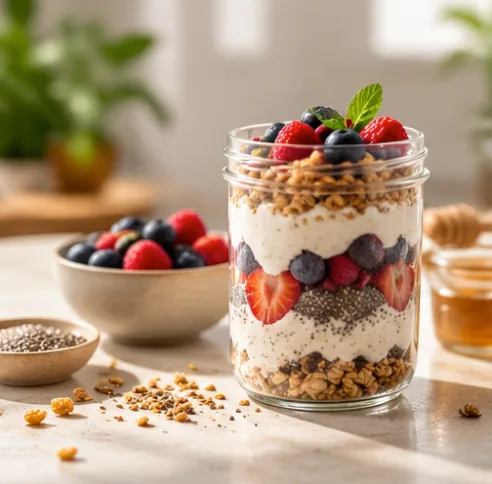
Vegetables and fruit provide fiber, vitamins, minerals and a wide range of naturally occurring plant compounds.
Try to include different varieties throughout the week, particularly leafy green vegetables.
Rather than focusing on one supposed superfood, aim for variety and consistency.
2. Choose Healthier Fats
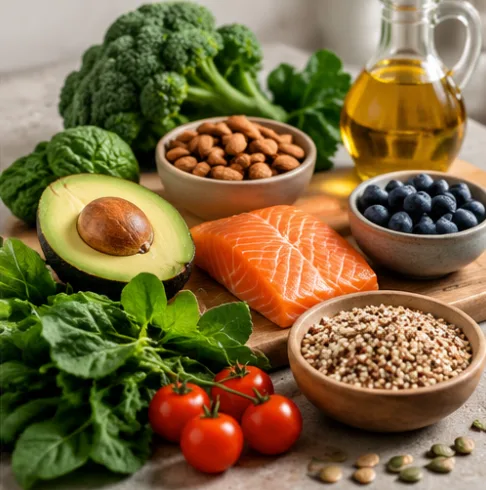
Olive oil, nuts, seeds and fish provide unsaturated fats that can form part of a heart-healthy diet.
Replacing some saturated fats with unsaturated fats can help improve blood cholesterol levels.
For example, use olive oil more often instead of butter, and choose nuts or fish regularly.
These changes can support cardiovascular health, which is closely connected to brain health.
3. Include Whole Grains and Legumes
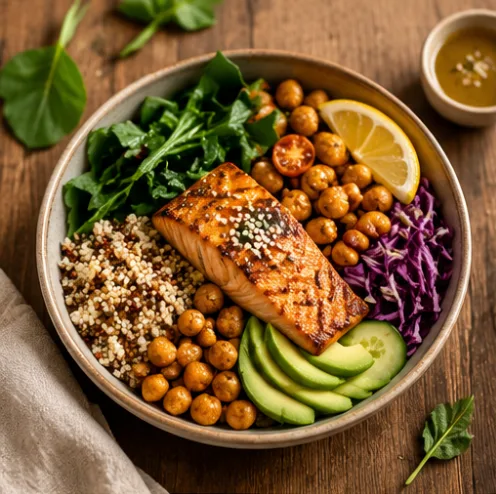
Oats, whole-grain bread, beans, lentils and chickpeas provide fiber and other important nutrients.
They can support healthy eating patterns associated with better metabolic and cardiovascular health.
They also offer practical alternatives to highly refined grains and some processed foods.
4. Limit Processed Meat and Foods High in Saturated Fat
Frequent consumption of processed meat and foods high in saturated fat can make it more difficult to maintain a heart-healthy diet.
Choose legumes, fish and other minimally processed protein sources more often.
The goal is not to eliminate every favorite food, but to improve the overall balance of what you eat.
5. Focus on Your Overall Eating Pattern
No single food has been proven to prevent dementia.
Blueberries, walnuts, olive oil and leafy greens may be valuable components of a healthy diet, but their effects should not be exaggerated.
What matters most is the combination of foods you consume regularly.
A sustainable dietary pattern is more useful than relying on individual ingredients or supplements.
Does Healthy Eating Actually Slow Cognitive Decline?
A large international analysis published in 2026 examined dietary habits and cognitive performance in more than 17,000 adults.
People who followed certain healthier dietary patterns, particularly Mediterranean-style eating, tended to perform slightly better on some cognitive tests.
However, the evidence that these diets slowed cognitive decline over time was limited and inconsistent.
This distinction is important.
Performing better on a cognitive test today does not necessarily mean that a particular diet will preserve memory or prevent dementia in the future.
Healthy eating remains valuable, but the available evidence does not justify promising that any single dietary pattern will prevent cognitive aging.
A Practical Place to Start
You do not need a complicated meal plan to begin improving your diet.
Try making a few consistent changes:
* Add vegetables to your main meals. * Use olive oil more often in place of butter. * Choose whole grains and legumes regularly. * Include fish and unsalted nuts as part of a balanced diet. * Reduce processed meat and foods high in saturated fat.
These habits support overall health and can contribute to better cardiovascular risk management.
They are particularly relevant as we age, when maintaining healthy blood vessels becomes increasingly important.
Nutrition should also be considered alongside regular physical activity, adequate sleep, blood pressure control and management of other cardiovascular risk factors.
Based on Research
Soldevila-Domenech N, Ayala-Garcia A, Zhou X, et al. Diet and Cognitive Function in Aging: An Individual Participant Data Meta-Analysis from 8 Cohorts in Europe and the United States. The Journal of Nutrition, 2026. https://jn.nutrition.org/article/S0022-3166(26)00343-3/fulltext
Livingston G, Huntley J, Liu KY, et al. Dementia prevention, intervention, and care: 2024 report of the Lancet standing Commission. The Lancet, 2024. https://doi.org/10.1016/S0140-6736(24)01296-0