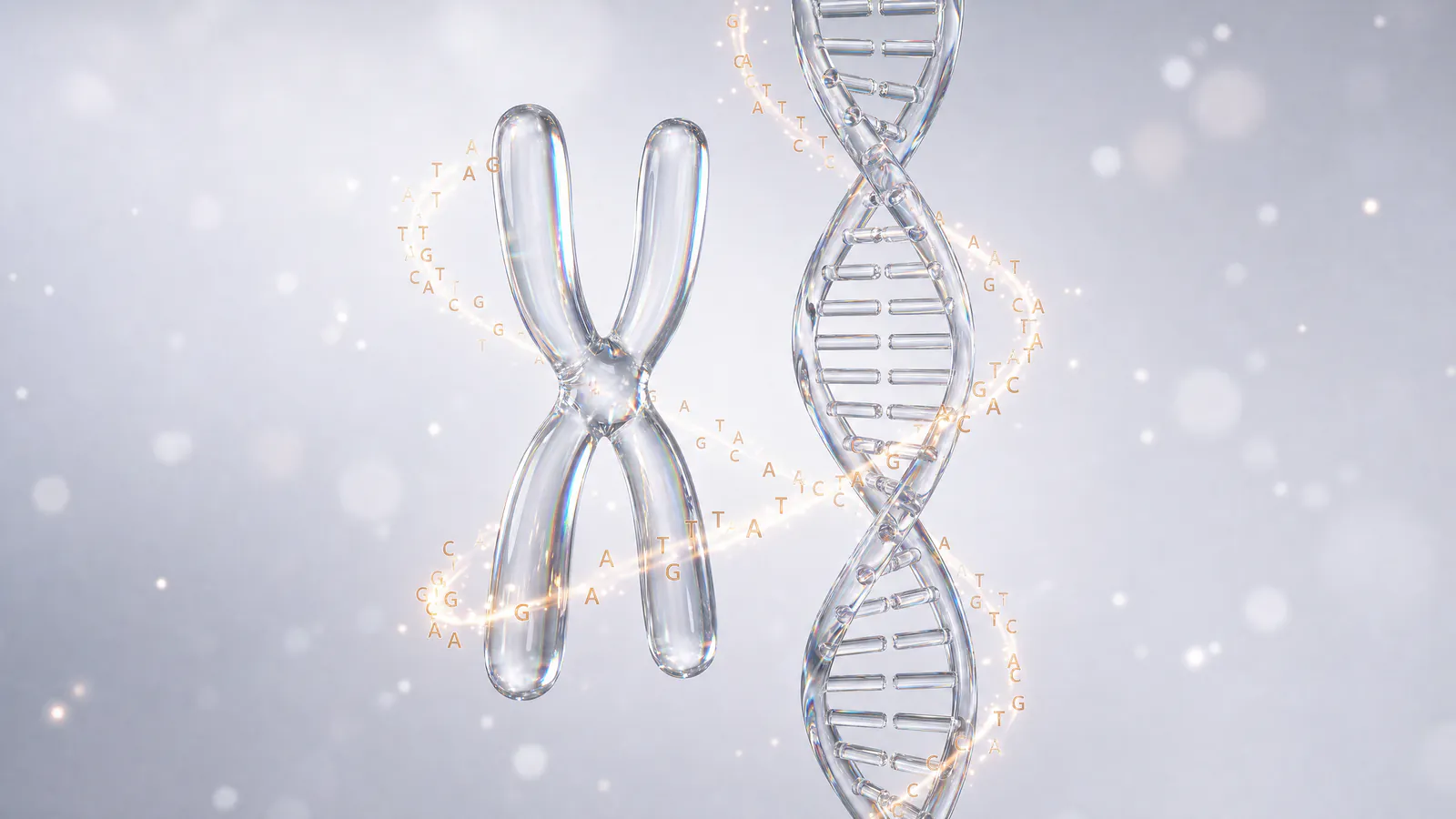
Our genes do not simply change as we get older. What changes is the way our cells organize, regulate and use genetic information.
This regulation is controlled in part by epigenetic mechanisms. They influence which genes are active or silent, how strongly they are expressed and how accessible different regions of DNA are.
One of the best-studied mechanisms is DNA methylation-small chemical marks attached to DNA that help regulate gene activity. As we age, some regions of DNA lose methylation while others gain it. Over time, these patterns can become increasingly different between individuals.
Our DNA is also carefully packaged into a structure called chromatin. Proteins known as histones help organize this structure and determine which regions of DNA are accessible to the cell.
With aging, chromatin organization can become less stable. Histone levels and modifications may change, and some regions of DNA that are normally tightly controlled may become more accessible.
Why does this matter?
Because the way our DNA is organized helps determine which genes are active, when they are active and how strongly they are expressed. When this regulation becomes less precise, normal cellular function and genome stability may also be affected.
Other layers of epigenetic regulation-including histone variants and noncoding RNAs-also change with age. Together, these mechanisms show that epigenetic aging is not one single process, but a gradual remodeling of the systems that control how genetic information is used.
Some age-related epigenetic changes are sufficiently predictable that patterns of DNA methylation have become the basis of epigenetic clocks, which are being studied as biomarkers of biological aging.
These clocks do not tell us exactly how long someone will live. Instead, they illustrate something important: our biological age may leave measurable patterns in the way our genetic information (genome) is regulated.