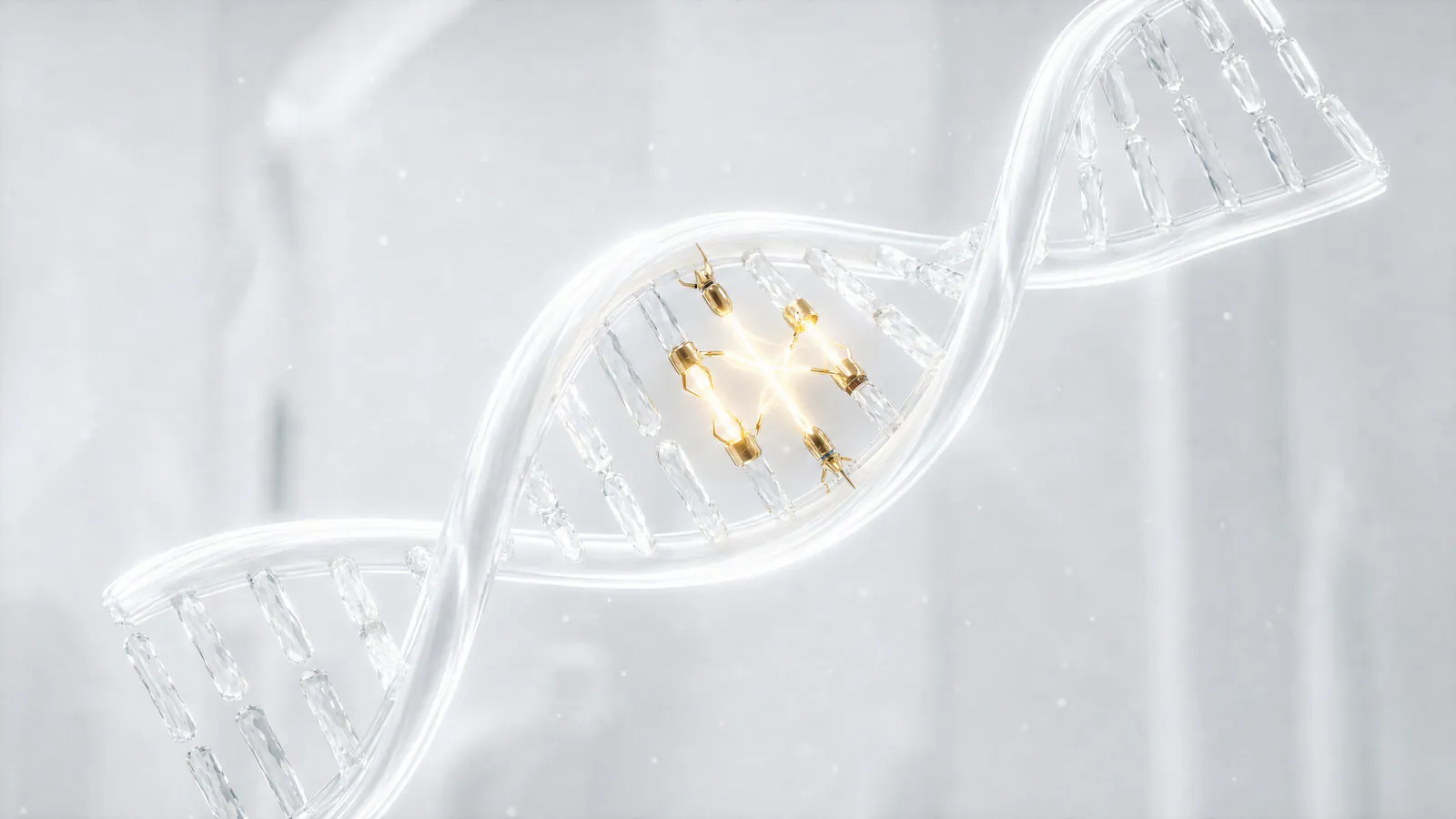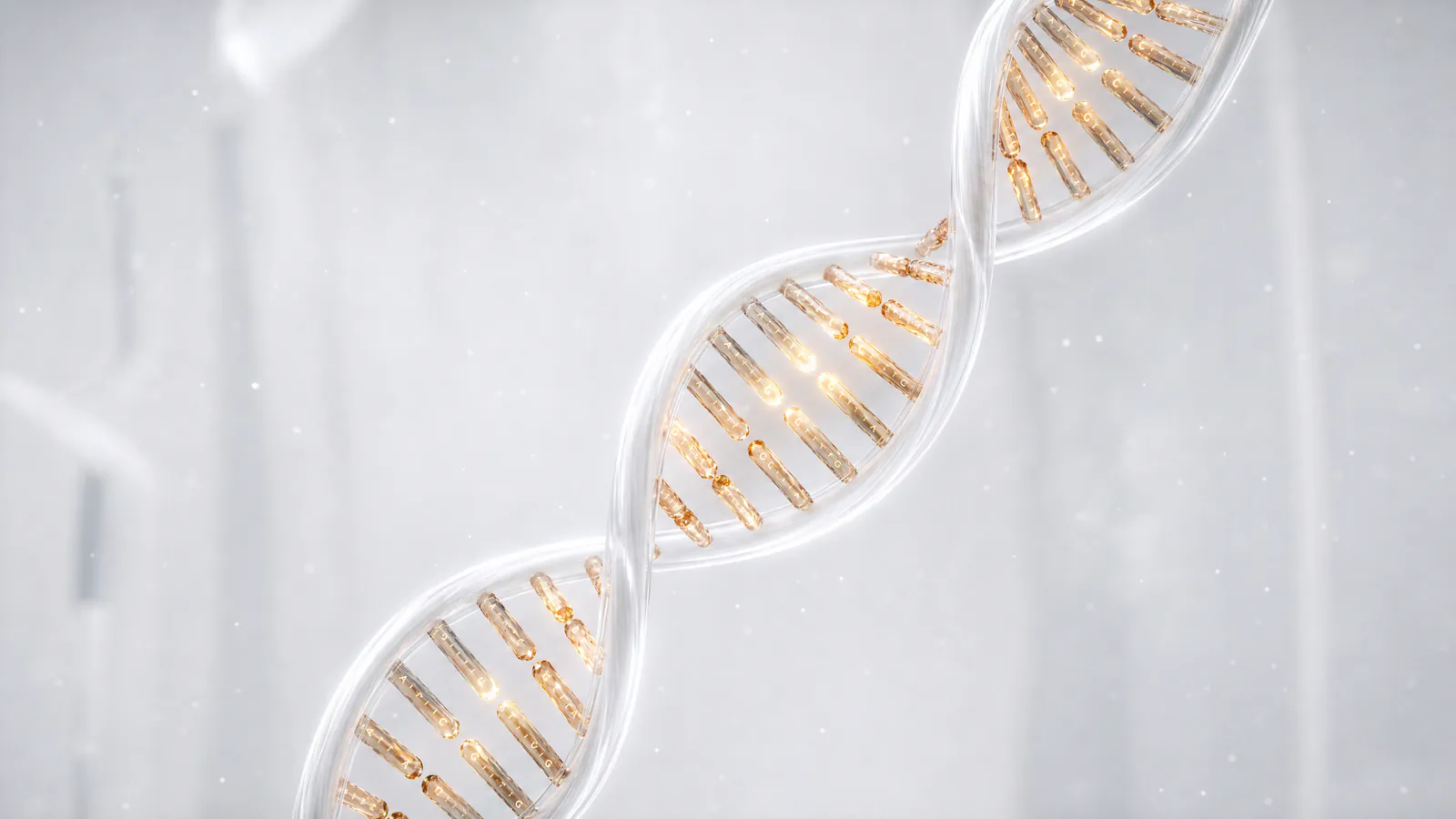
Your DNA contains the instructions that help cells grow, repair themselves and carry out their tasks.
Almost every cell in the body contains the same basic DNA. Yet a heart cell behaves differently from a skin cell or a nerve cell.
How is that possible?
Cells use different parts of the same genetic instructions. Some genes are active, while others are turned down or switched off.
The systems that control this activity are known as epigenetic regulation.
Epigenetics does not usually change the DNA sequence itself. Instead, it influences how cells read and use the information stored in DNA.
As we age, this control can become less precise. Scientists call these changes epigenetic alterations.
A cell may begin to use the wrong instructions at the wrong time. It may become less able to respond to stress, repair damage or perform its specialised role.
This does not mean that genes suddenly stop working.
The changes are gradual, and they can differ between people, tissues and organs.
Epigenetics also helps explain why ageing is not determined only by the genes we inherit.
Lifestyle, illness, environment, sleep, nutrition and long-term stress may all influence the way genes are regulated. However, these effects are complex and do not mean that one habit simply switches a “longevity gene” on or off.
Epigenetic ageing clocks have attracted a great deal of interest.
These tests look at chemical marks on DNA and use them to estimate biological age. They may be useful in research, but the result should not be treated as a complete picture of health or as a precise prediction of lifespan.
Two people with a similar epigenetic age may still have very different heart health, muscle strength, metabolism or ability to recover after illness.
Epigenetic changes also interact with other biological processes.
DNA damage may disturb gene regulation. Changes in metabolism may affect the chemical signals used by cells. Mitochondrial stress and inflammation may also influence which genes are active.
This is why epigenetic alterations are only one part of the wider ageing process.
The practical message is not that we can control every gene.
It is that cells continue to respond to their environment throughout life.
Regular physical activity, adequate sleep, balanced nutrition, avoiding smoking and managing established health risks may support the conditions in which cells function and adapt.
The goal is not to keep gene activity permanently young.
It is to protect the systems that help cells use the right instructions, at the right time, for as long as possible.