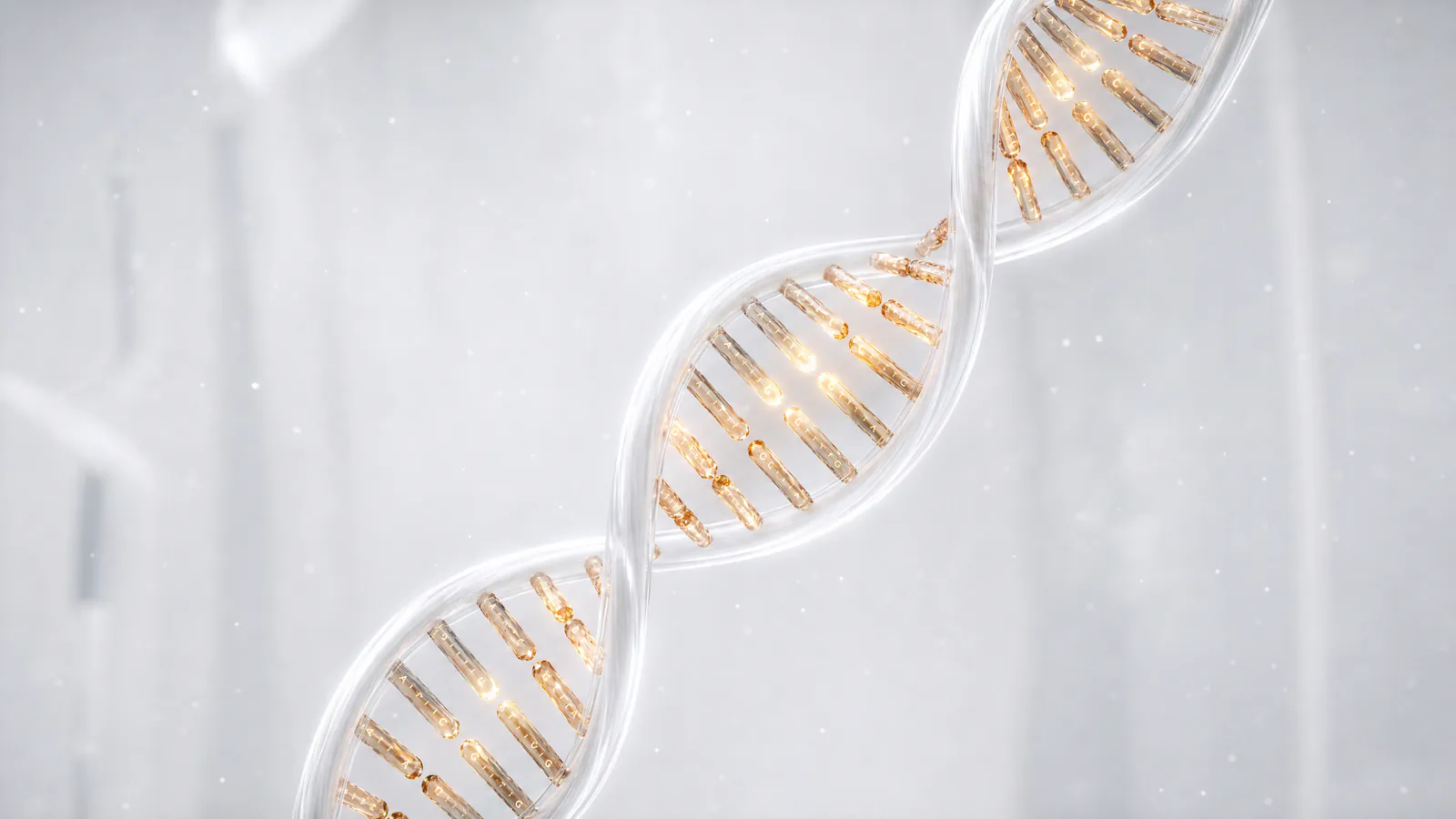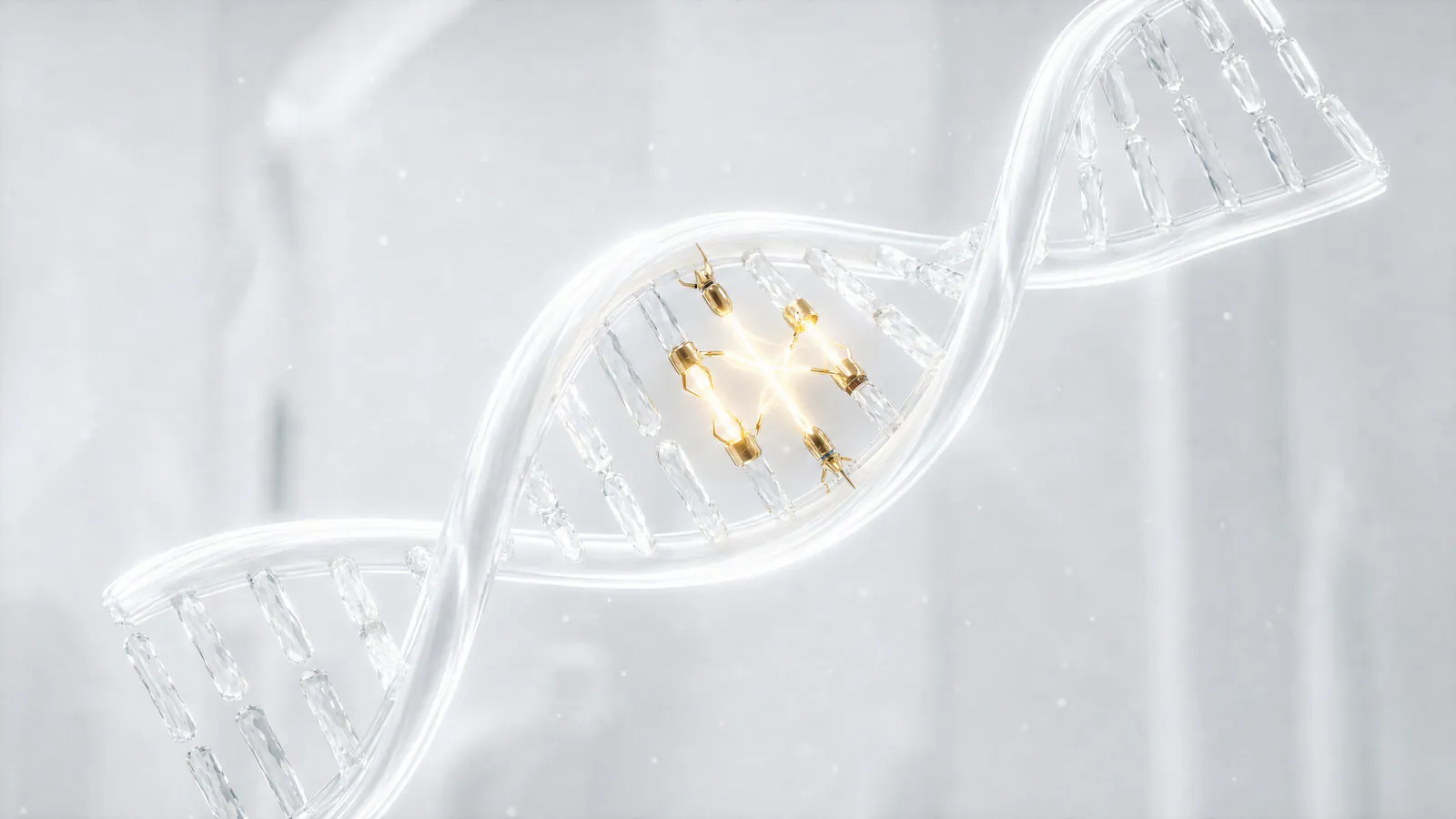
We inherit our DNA from our parents, but our genes do not work in exactly the same way throughout life.
One reason is epigenetics.
Our DNA contains the genetic instructions used by our cells. The epigenome helps determine how those instructions are used-which genes are active or silent, how strongly they are expressed and how accessible different regions of DNA are.
Importantly, epigenetic regulation does not change the underlying DNA sequence.
Instead, it changes how genetic information is organized and expressed.
As we age, these patterns gradually change.
DNA methylation, one of the best-studied epigenetic mechanisms, changes across different regions of the genome. The organization of chromatin-the structure that packages DNA inside our cells-also becomes altered. Histone proteins that help organize DNA can change in both quantity and function.
Together, these changes may make gene regulation less precise. Regions of DNA that are normally tightly controlled may become more accessible, potentially contributing to abnormal gene expression and reduced genomic stability.
The epigenome is also dynamic. Environmental exposures, diet, lifestyle and cellular stress can influence epigenetic regulation throughout life. This does not mean that lifestyle can simply switch individual “good” or “bad” genes on and off. The relationship between genes, environment and aging is much more complex.
But it does mean that our DNA sequence is not the whole story of how we age.
Unlike the genetic code itself, some epigenetic changes are potentially modifiable.
This has made epigenetics an important area of research into biological aging and whether some age-related changes in gene regulation might eventually be influenced.