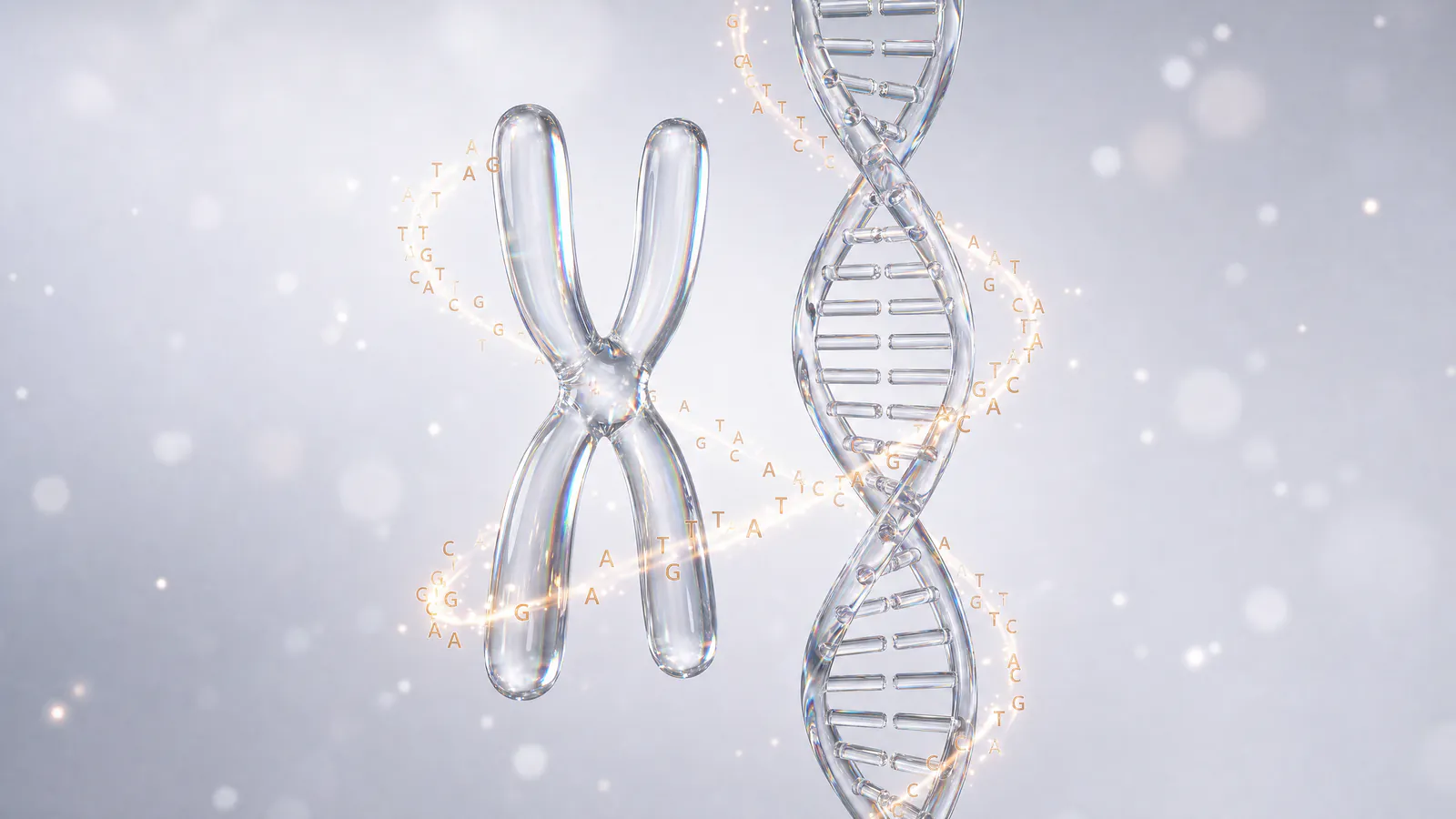
Many people wonder whether longevity is inherited.
If your parents or grandparents lived long lives, does that mean you will too?
The answer is both yes and no.
Research suggests that genetics influences longevity, but it does not determine it completely. Many studies suggest that genetics accounts for a meaningful part of lifespan variation, often estimated at around 20–30%, although exact figures vary between studies and populations. Lifestyle, environment, healthcare, and personal habits also play a major role in shaping long-term health and longevity.
Over the past two decades, researchers have identified several genetic variants associated with healthy aging and exceptional longevity. These genes are often involved in processes such as cellular repair, stress resistance, metabolism, and inflammation control.
However, there is no single "longevity gene."
Instead, longevity appears to result from the interaction of many genes working together alongside lifestyle factors such as physical activity, nutrition, sleep, and metabolic health.
This is encouraging news.
While we cannot change the genes we inherit, we can influence many of the factors that determine how those genes are expressed throughout life.
Modern longevity medicine increasingly combines genetic insights with personalized prevention strategies to help individuals better understand their future health risks and opportunities for intervention.