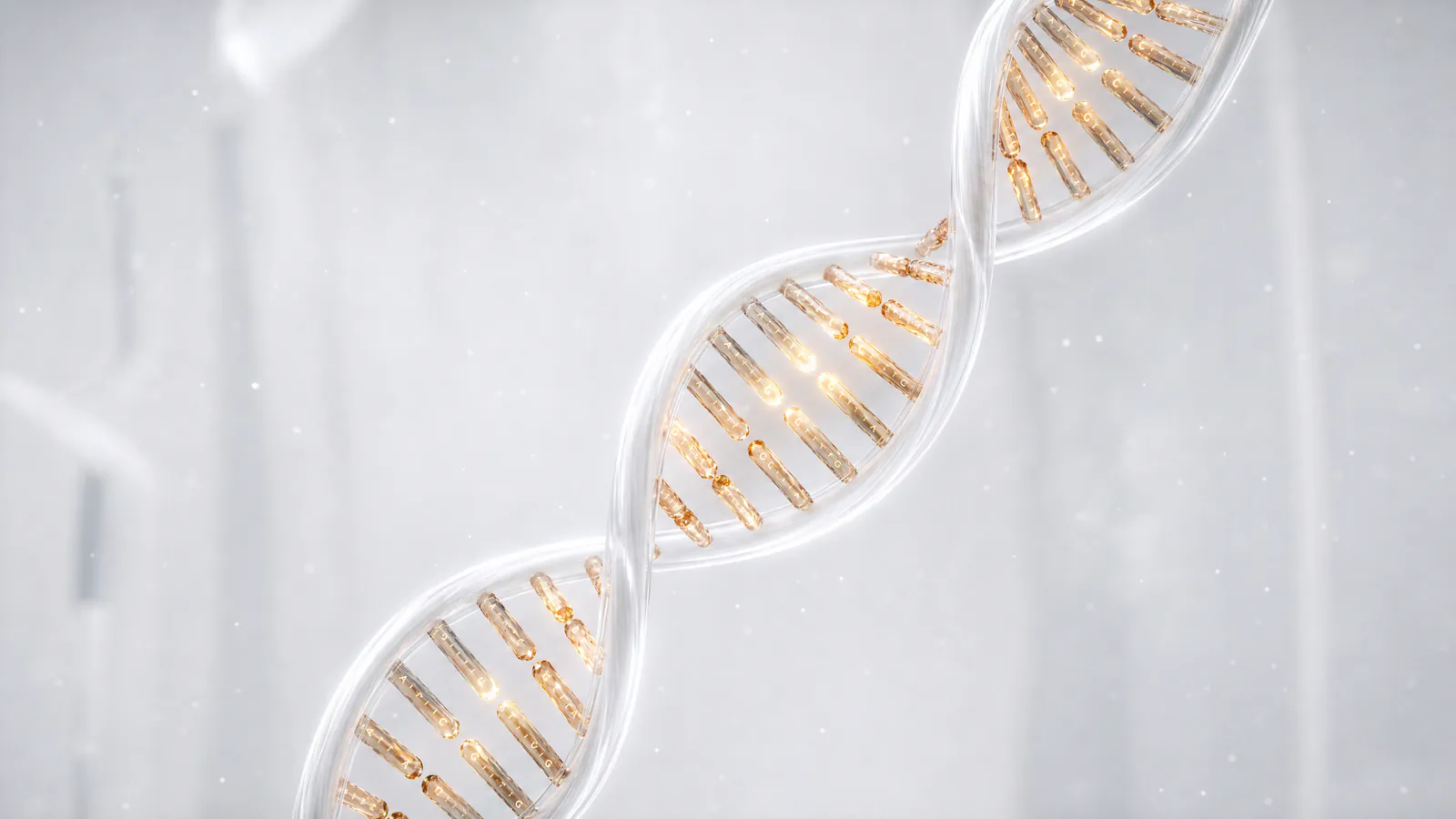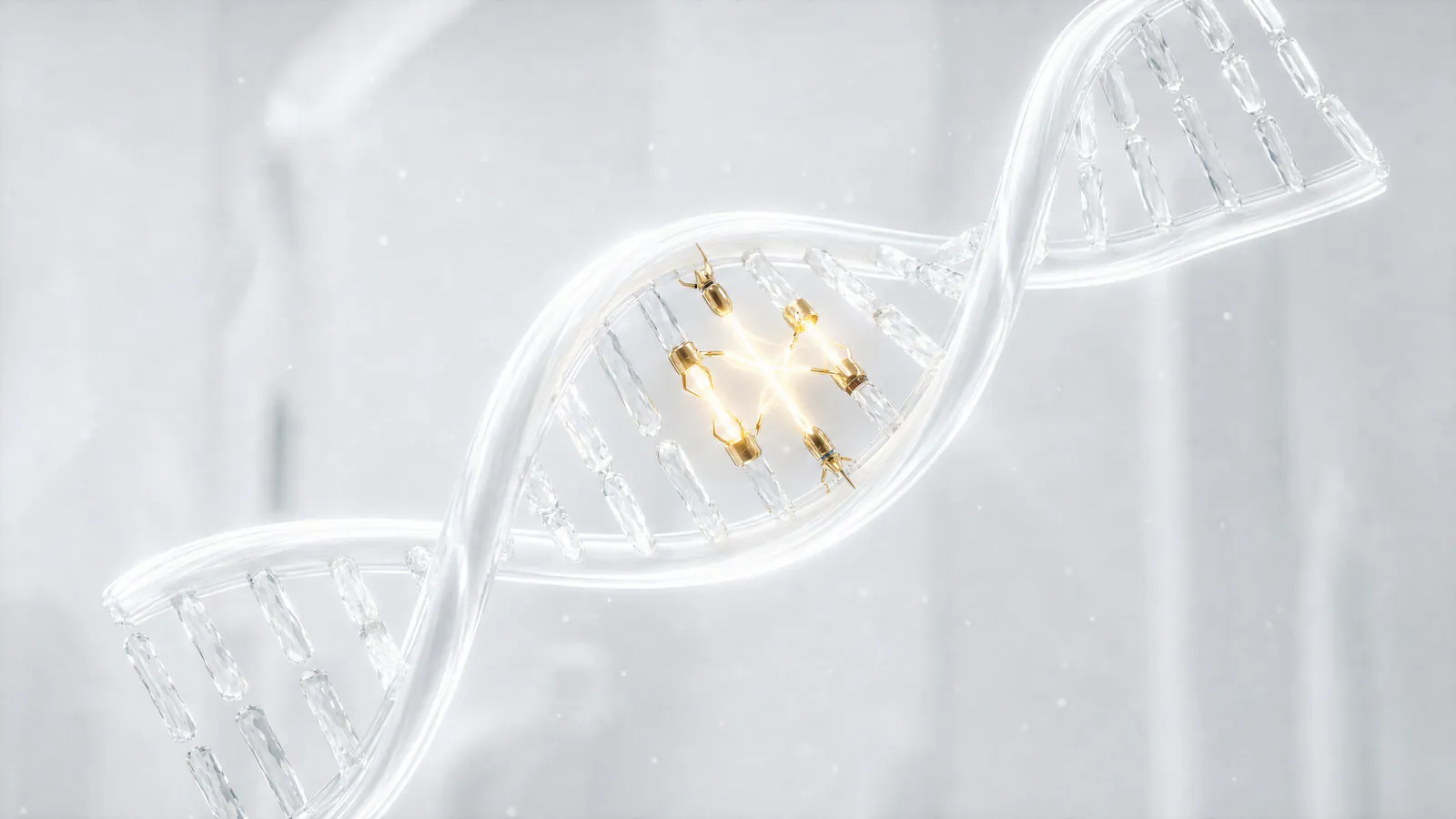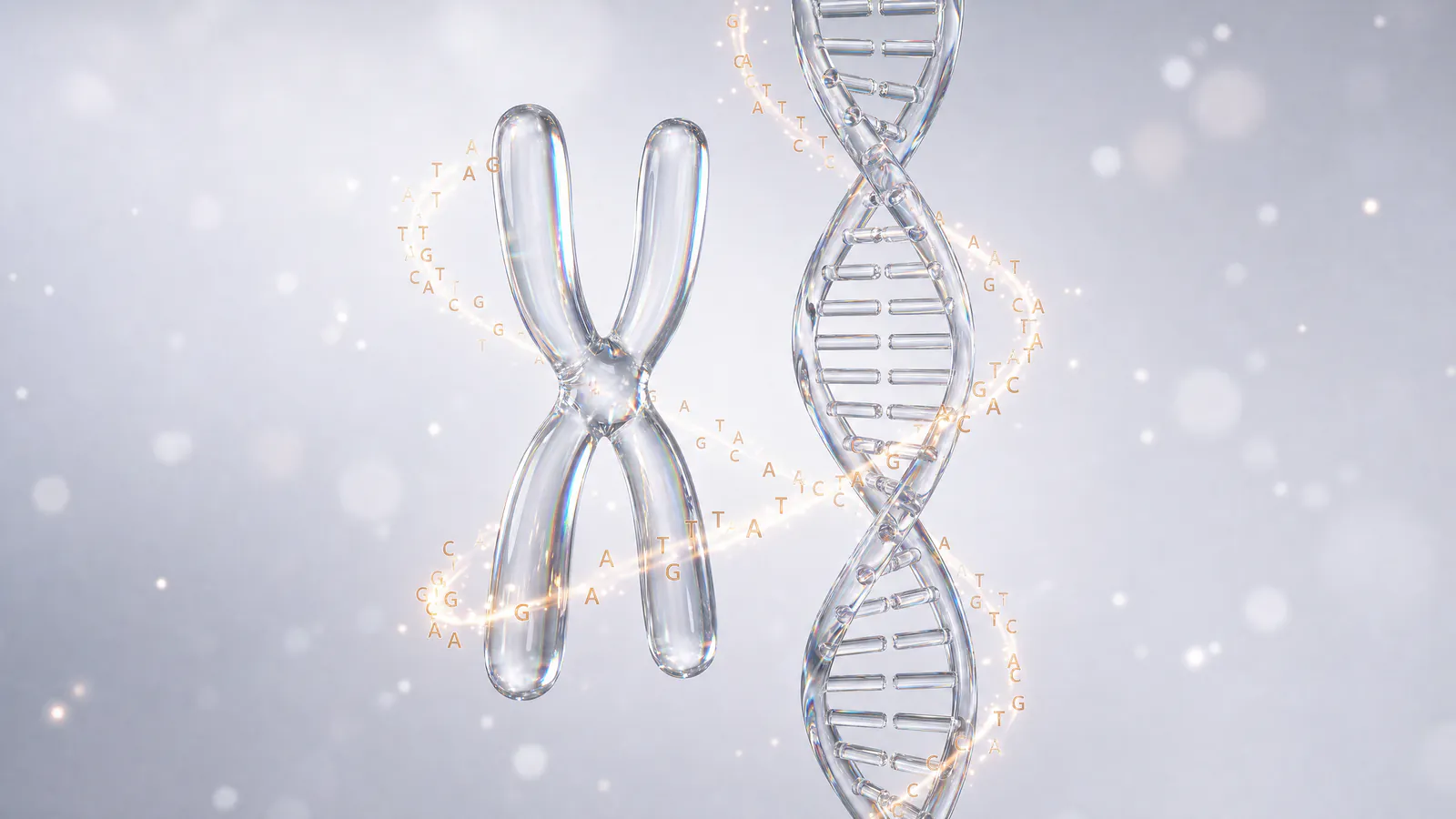
If there is one gene that frequently appears in longevity research, it is FOXO3.
Scientists have found that certain variants of the FOXO3 gene occur more often in people who live exceptionally long lives, including centenarians.
FOXO3 plays an important role in several biological processes associated with healthy aging. These include cellular repair, stress resistance, metabolism, and the body's ability to respond to environmental challenges.
Researchers believe that these functions may help cells remain resilient over time.
This does not mean that FOXO3 is a "longevity switch" or a guarantee of exceptional lifespan.
Rather, it appears to be one of many genes that contribute to the complex biology of aging.
What makes FOXO3 particularly interesting is that it sits at the intersection of several pathways linked to aging and healthspan.
By studying genes such as FOXO3, scientists hope to better understand why some individuals remain healthier for longer and how future preventive strategies may support healthy aging.
The science is still evolving, but one message is already clear:
Longevity is rarely the result of a single factor. It is the product of genetics, biology, environment, and lifestyle working together.