Prevention & Diagnostics
Beyond Standard Blood Tests: The Rise of Personalized Diagnostics

Traditional health assessments often focus on identifying disease after it has already developed.
Personalized diagnostics takes a different approach.
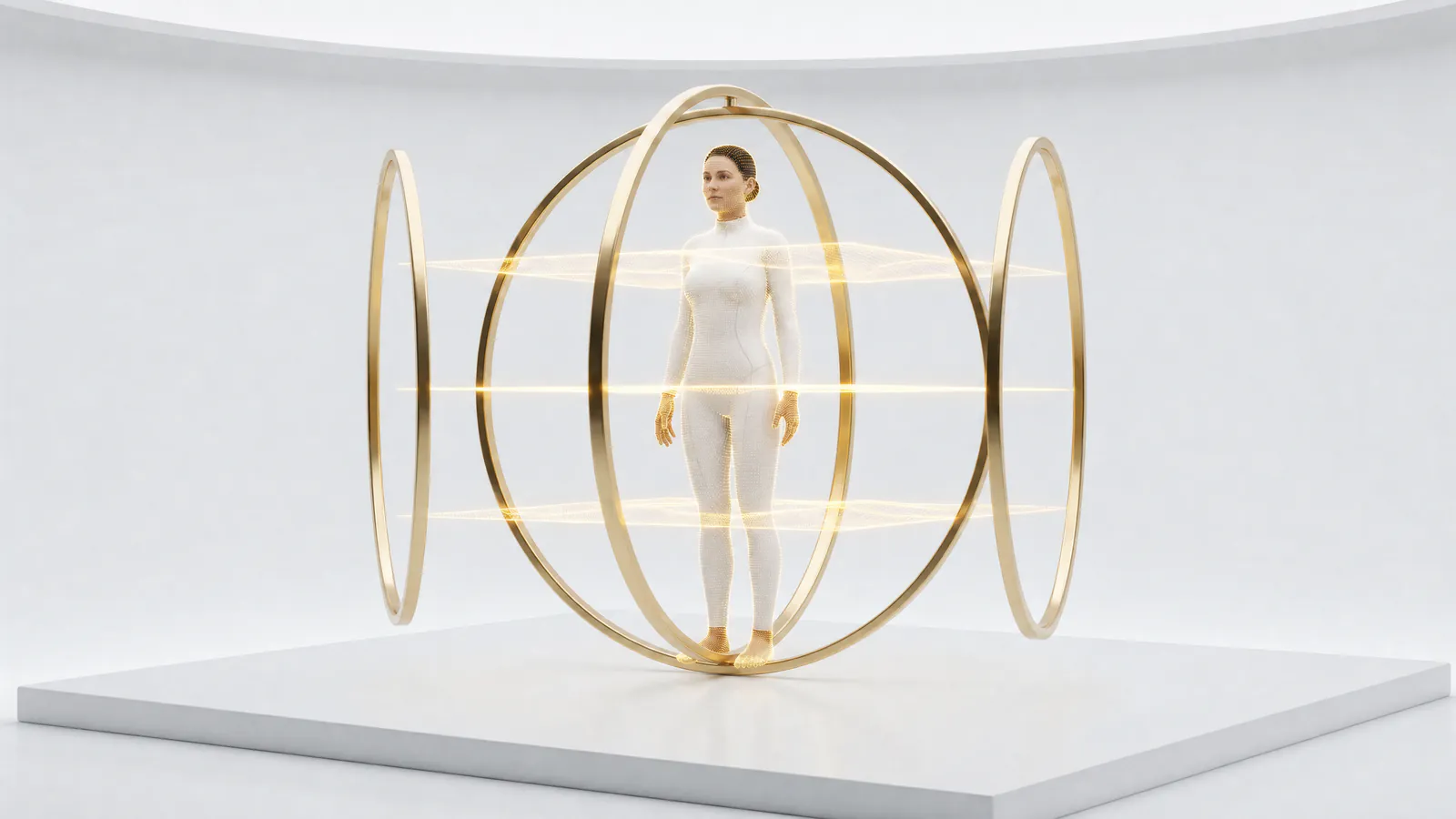
Instead of looking only for disease, it seeks to understand an individual's unique health profile, risk factors, and biological characteristics.
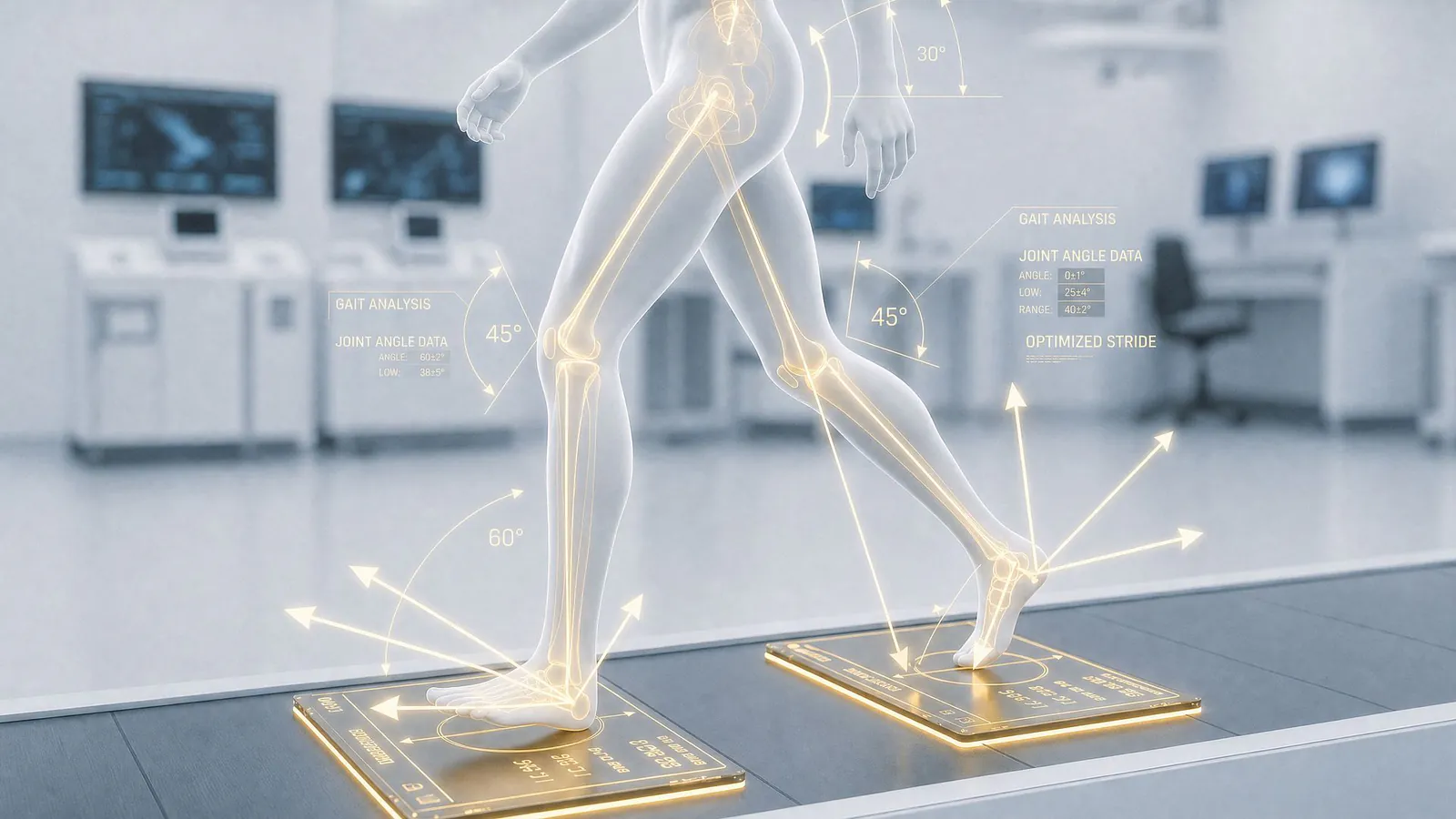
This may include advanced biomarkers, metabolic health assessment, cardiovascular risk evaluation, family history, genetic information, body composition analysis, and targeted imaging when appropriate.
The purpose is not to perform as many tests as possible.
The purpose is to obtain meaningful information that can guide prevention and long-term health decisions.
Two people of the same age may have very different risk profiles and may therefore benefit from different diagnostic strategies.
This shift reflects a broader movement toward precision medicine, where prevention and healthcare are increasingly tailored to the individual rather than applied in the same way to everyone.
Personalized diagnostics aims to support informed decision-making and more targeted prevention throughout life.
About the author

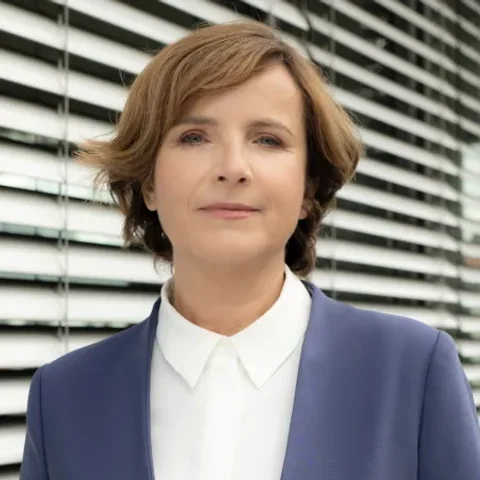
Dr. Dominika Żądło
Specialist in General Surgery, KCM Clinic·MD, PhD
Dr. Żądło brings surgical precision and procedural expertise to KCM’s clinical education. Her work spans general surgery, minimally invasive care, and recovery-focused pathways — helping patients understand when preventive procedures, diagnostics, and surgical judgment meaningfully support long-term wellbeing.
You may also find relevant
Related topics
Continue reading
Read more

Prevention & Diagnostics
Why Early Detection Matters More Than Treatment
Modern medicine has achieved remarkable success in treating disease.
Read article
Prevention & Diagnostics
What Do Biomarkers Reveal About Your Future Health?
Every day, the body generates thousands of biological signals.
Read article
Genetics & Longevity
How Much of Longevity Is Written in Your Genes?
Many people wonder whether longevity is inherited.
Read article
Biological Age
Biological Age vs Chronological Age: What's the Difference?
Most people know their chronological age. Far fewer know their biological age.
Read articlePhysician-led care
Discuss your longevity strategy with our medical team
Every insight on this platform is designed to inform better decisions — not replace them. A private consultation translates knowledge into a personalized clinical pathway.