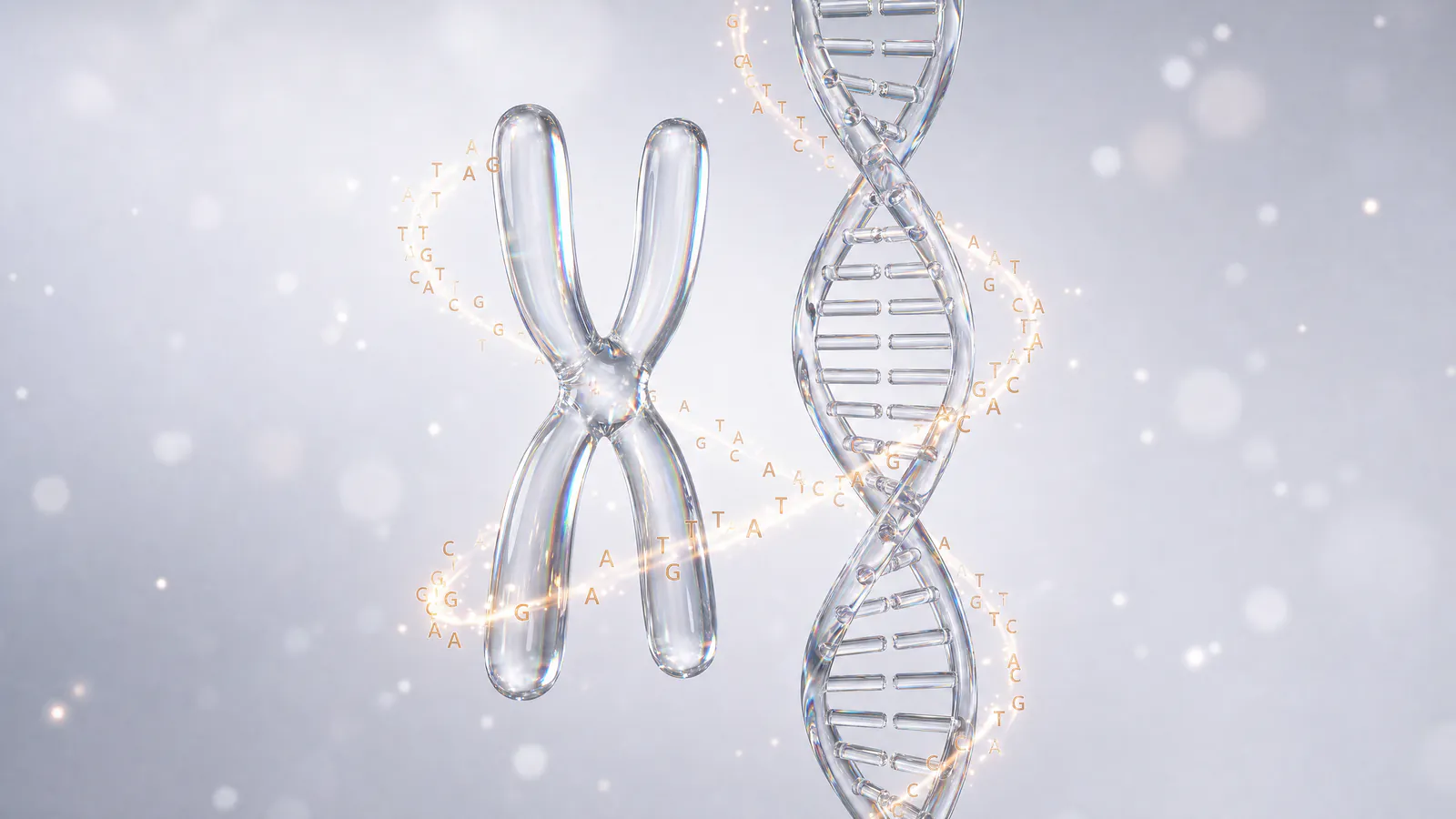
Epigenetics and Aging: Can We Change How Our Genes Work as We Age?
Summary ID03-GL-RS-00012
Research Summary
Original Publication
Epigenetics and Aging
Journal
Science Advances, .
- Category
- 03Genetics & Longevity
- Evidence
- Clinical review
- Summary Type
- Core
What Was Studied?
Aging is a complex biological process characterized by a gradual decline in cellular and physiological function over time. It is also the greatest risk factor for many chronic diseases, including cardiovascular disease, cancer, metabolic disorders and neurodegenerative diseases.
But why do cells with essentially the same DNA begin to function differently as they age?
This review examines one important part of the answer: epigenetics.
Our genome contains the genetic information encoded in DNA. The epigenome helps determine how that information is used. It regulates which genes are active or silent, how DNA is packaged inside the cell and how accessible different regions of the genome are.
Unlike genetic mutations, epigenetic changes do not alter the underlying DNA sequence. Instead, they influence how genetic information is organized and expressed. These regulatory patterns are dynamic and can change throughout life in response to cellular processes, environmental exposures and other influences.
The authors reviewed growing evidence that aging is accompanied by progressive changes across multiple layers of the epigenome. These include changes in DNA methylation, nucleosome and chromatin remodeling, histone modifications, histone variants, overall histone levels and noncoding RNA expression.
Together, these changes can gradually alter the structure of chromatin-the complex of DNA and proteins that organizes the genome. Young, healthy cells generally maintain tightly regulated chromatin states that help preserve appropriate gene expression and genome stability. With aging, this organization can become less precise.
Loss of chromatin organization may make normally silent regions of DNA more accessible, alter gene expression, reactivate transposable elements and contribute to genomic instability. The review therefore presents aging not simply as an accumulation of genetic damage, but also as a progressive disturbance in how genetic information is organized, protected and used.
The authors also explore an important relationship between genes, environment and aging. Even individuals with very similar genetic information can develop increasingly different epigenetic patterns over time. This gradual divergence, known as epigenetic drift, may contribute to differences in how individuals age.
Importantly, the review distinguishes between epigenetic changes that may actively contribute to aging and those that may simply accompany it. Establishing which changes are causes and which are consequences remains a major scientific challenge.
The particular importance of epigenetics for longevity research lies in its dynamic nature. Unlike the DNA sequence itself, epigenetic information can potentially be modified. This has made the aging epigenome an important area of research into biological aging and the possibility of preserving healthier cellular function later in life.
Key Findings
1. The Epigenome Controls How Genetic Information Is Used Our DNA contains the genetic information inherited from our parents, but the DNA sequence alone does not determine how cells function. The epigenome helps regulate which genes are active or silent, how strongly they are expressed and how accessible different regions of DNA are. Unlike the DNA sequence, epigenetic regulation is dynamic. It changes throughout life and can be influenced by cellular processes, environmental exposures and other factors. This makes the epigenome an important interface between our genetic information and the way our biology changes over time.
2. DNA Methylation Patterns Change With Age DNA methylation is one of the best-studied epigenetic mechanisms. It helps regulate gene activity and maintain genome stability. With aging, methylation patterns gradually change. Some regions lose methylation, while others become more methylated. These changes are not uniform across the genome and can influence normal patterns of gene regulation. The progressive accumulation of these differences contributes to epigenetic drift-one of the characteristic features of the aging epigenome. Importantly, predictable age-related DNA methylation patterns later became the scientific basis for the development of epigenetic clocks, now widely studied as biomarkers of biological aging.
3. Chromatin Organization Becomes Less Stable During Aging DNA is packaged together with proteins into a highly organized structure called chromatin. This organization determines which regions of the genome are accessible and which remain tightly controlled. During aging, chromatin architecture changes. Nucleosome organization, chromatin remodeling, histone levels and histone modifications may all become altered. Together, these changes can make gene regulation less precise and contribute to progressive loss of normal cellular function.
4. Histone Variants Are Part of the Aging Epigenome Cells contain specialized forms of histone proteins known as histone variants. These can replace conventional histones and influence chromatin structure, gene regulation and DNA repair. The review describes changes in the distribution and accumulation of several histone variants during aging and cellular senescence. These changes may alter how DNA is packaged and accessed, adding another layer to age-related changes in the epigenome.
5. Loss of Heterochromatin May Contribute to Genomic Instability Some regions of the genome are normally maintained in a tightly packed state known as heterochromatin. This helps keep potentially harmful genetic sequences silent and protects genome stability. With aging, heterochromatin can become less stable. Previously silent regions of DNA may become more accessible, and transposable elements may become reactivated. This can contribute to abnormal gene expression, DNA damage and genomic instability, linking changes in epigenetic organization with other fundamental mechanisms of biological aging.
6. Noncoding RNAs Contribute to Epigenetic Regulation During Aging Not all RNA molecules are used to produce proteins. Noncoding RNAs (ncRNAs) can regulate gene expression, chromatin organization and other cellular processes. The review describes age-related changes in several classes of noncoding RNA, suggesting that altered ncRNA expression represents another component of the aging epigenome.
7. Epigenetic Aging Involves Multiple Interconnected Mechanisms Epigenetic aging is not caused by DNA methylation alone. Changes in histones, chromatin remodeling, heterochromatin, histone variants and noncoding RNAs interact to influence how genetic information is organized and expressed. These mechanisms also interact with DNA damage, cellular senescence, mitochondrial dysfunction and other processes involved in aging. This interconnectedness is important because an epigenetic change observed in an aging cell may be a cause, a consequence or both.
8. Environment and Lifestyle Can Influence the Epigenome The epigenome provides an important biological connection between genes and environment. Environmental exposures, diet and other lifestyle factors can influence epigenetic regulation throughout life. This may contribute to the increasing biological differences observed between individuals as they age, even when their genetic backgrounds are similar. However, these relationships are complex. Environmental effects on the epigenome do not mean that lifestyle can simply “switch aging genes on or off.” Their magnitude, persistence and clinical significance depend on the biological context.
9. Epigenetic Information Is Dynamic and Potentially Modifiable Perhaps the most important implication for longevity research is that epigenetic information is not permanently fixed. Experimental studies have demonstrated that manipulating epigenetic mechanisms can influence aging-related phenotypes and lifespan in model organisms. This raised the possibility that some age-related epigenetic changes could eventually become therapeutic targets. However, translating this concept into human longevity medicine requires caution. Many epigenetic changes associated with aging are not yet proven to be causal, and modifying one regulatory pathway may affect many others. The importance of epigenetics therefore extends beyond any single potential therapy. It has changed the way aging is understood: the genome may remain largely the same, while the way its information is regulated can change profoundly throughout life.
Why It Matters for Longevity
Genetics alone does not determine how we age. The epigenome adds another dynamic layer of regulation that influences how genetic information is organized and used throughout life.
This is particularly important for longevity medicine because epigenetic patterns are not permanently fixed. They can change with age and may also be influenced by environmental exposures, lifestyle and cellular stress.
The importance of this review extends beyond the individual epigenetic mechanisms it described. Many of the areas highlighted in 2016 have since become major fields of aging research.
Age-related changes in DNA methylation contributed to the development of epigenetic clocks and new approaches to estimating biological age. Research into chromatin organization, histone variants and noncoding RNAs has continued to expand our understanding of how gene regulation changes with aging.
Most importantly, epigenetics introduced a different way of thinking about the relationship between genes and aging. Our DNA sequence remains largely stable, but the way genetic information is organized and expressed can change substantially throughout life.
Because epigenetic regulation is dynamic and potentially modifiable, it has become an important area of research into whether aspects of biological aging could eventually be measured, slowed or partially reversed.
However, an important distinction remains. An epigenetic change associated with aging is not necessarily a cause of aging. Some changes may actively drive functional decline, while others may be consequences of DNA damage, cellular stress or other aging processes. Distinguishing cause from consequence is essential before epigenetic mechanisms can become meaningful clinical targets.
The broader significance of epigenetics is therefore not that our genes can be changed, but that the way our genetic information is regulated can change throughout life. Understanding these changes may help explain individual differences in biological aging and provide new approaches to measuring-and potentially influencing-healthspan.
Clinical Perspective
For clinicians, epigenetics provides a promising new dimension for assessing biological aging, but its current clinical applications remain limited.
Epigenetic clocks can estimate aspects of biological age and are increasingly used in aging research. However, they are not yet standalone diagnostic tools and should not be used to predict an individual’s lifespan or to guide treatment without appropriate clinical context.
Similarly, interventions specifically designed to modify age-related epigenetic changes remain experimental. Evidence that changing an epigenetic marker leads to meaningful improvements in health outcomes is still limited, and epigenetic therapies aimed specifically at slowing human aging are not established clinical practice.
For current longevity practice, epigenetic information should therefore complement-not replace-established clinical assessment of cardiovascular and metabolic risk, physical function, body composition, cognitive health and other validated measures of health and aging.
For longevity medicine, epigenetics is most useful today as a framework for understanding biological aging, individual variability and the interaction between genes and environment.
The future clinical value of epigenetics will depend not only on our ability to measure biological aging, but on demonstrating that specific epigenetic changes are causal, modifiable and linked to meaningful improvements in healthspan.
Key Takeaway
Epigenetic changes influence how our genetic information is regulated and used throughout life, without changing the underlying DNA sequence. The central message is simple: our DNA may remain largely the same, but the way our genes are regulated can change profoundly as we age.
Reviewed and Summarized by

Source Publication
- Title:
- Epigenetics and Aging
- Authors:
- Sangita Pal, Jessica K. Tyler
- Journal:
- Science Advances, July 2016.