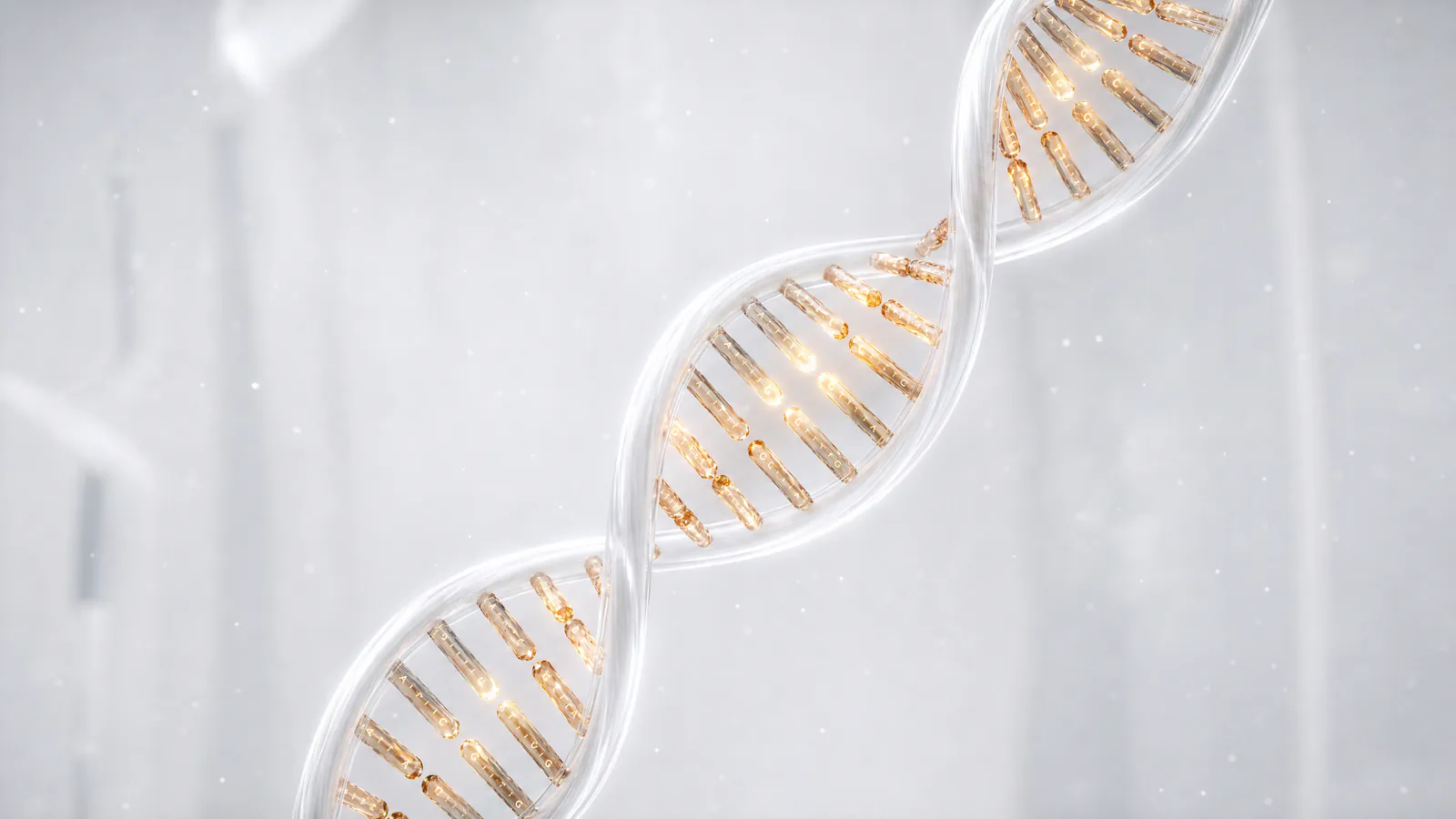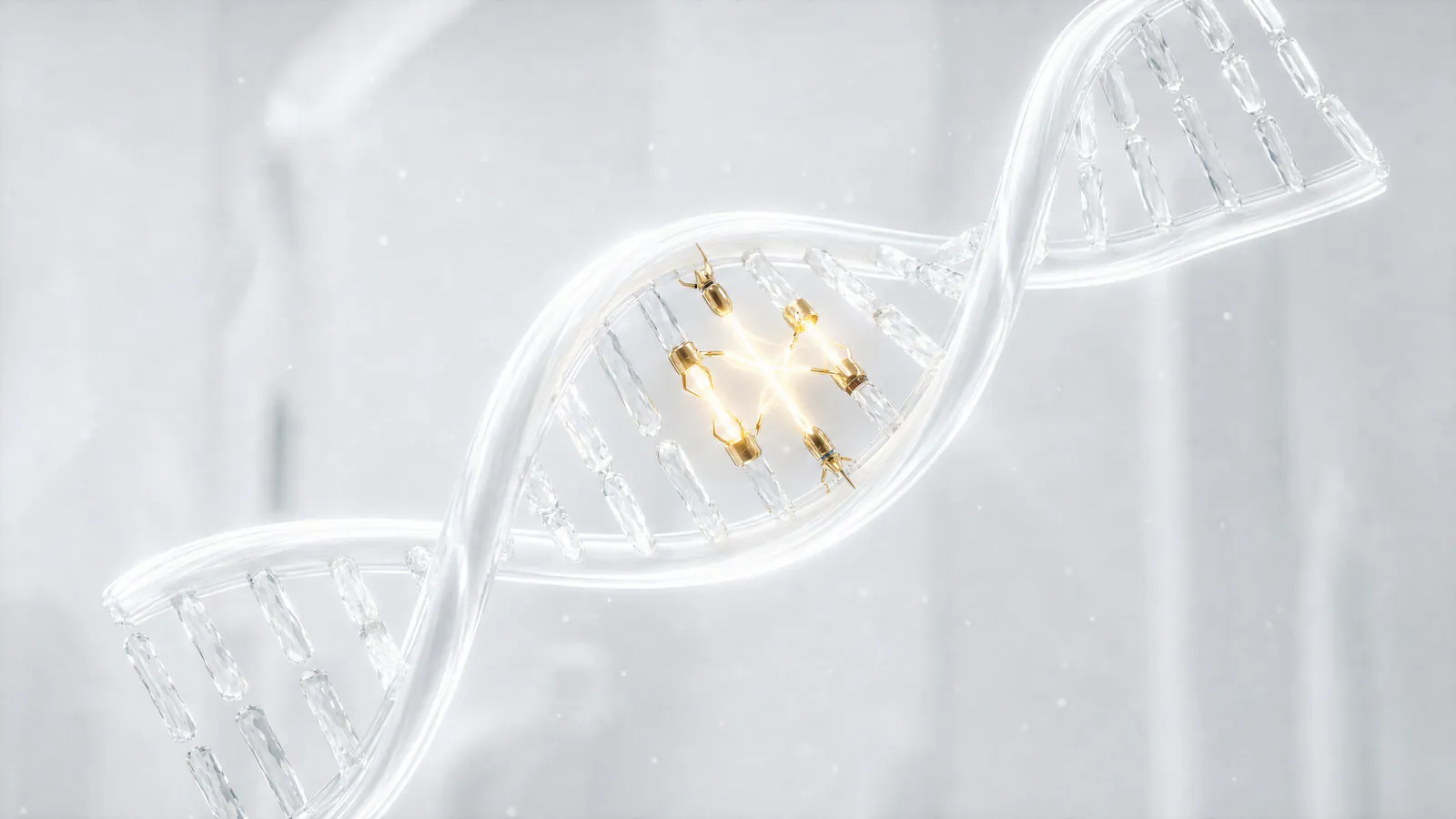
Our DNA sequence is relatively stable throughout life. But the way our cells organize and regulate genetic information is much more dynamic.
This is one of the reasons epigenetics has become such an important area of aging research.
Epigenetic mechanisms help control which genes are active, how strongly they are expressed and how DNA is organized inside our cells. As we age, these patterns gradually change. DNA methylation shifts, chromatin organization can become less stable, and the proteins that help package and regulate DNA may also change.
But unlike changes to the DNA sequence itself, some epigenetic changes may be reversible.
Why is this important?
Epigenetic patterns are not permanently fixed and may be modified. Experimental studies in model organisms have shown that changing the activity of enzymes involved in epigenetic regulation can influence aging-related processes and, in some cases, lifespan.
This raises an intriguing possibility: if some age-related epigenetic changes contribute to aging, could modifying them help restore more youthful patterns of gene regulation?
The answer is not yet clear.
A major challenge is determining which epigenetic changes actually drive aging and which simply appear as cells grow older. Reversing a measurable epigenetic change does not necessarily mean reversing aging or improving health.
There is another challenge. Epigenetic mechanisms are highly interconnected. Changing one part of the system may influence many genes and biological pathways at the same time. This makes precision and long-term safety particularly important.
Research since the original publication has continued to explore whether age-related epigenetic changes can be modified, and the possibility of restoring more youthful patterns of gene regulation has become an important direction in aging research.
For now, however, epigenetic rejuvenation remains a research concept rather than an established longevity treatment.