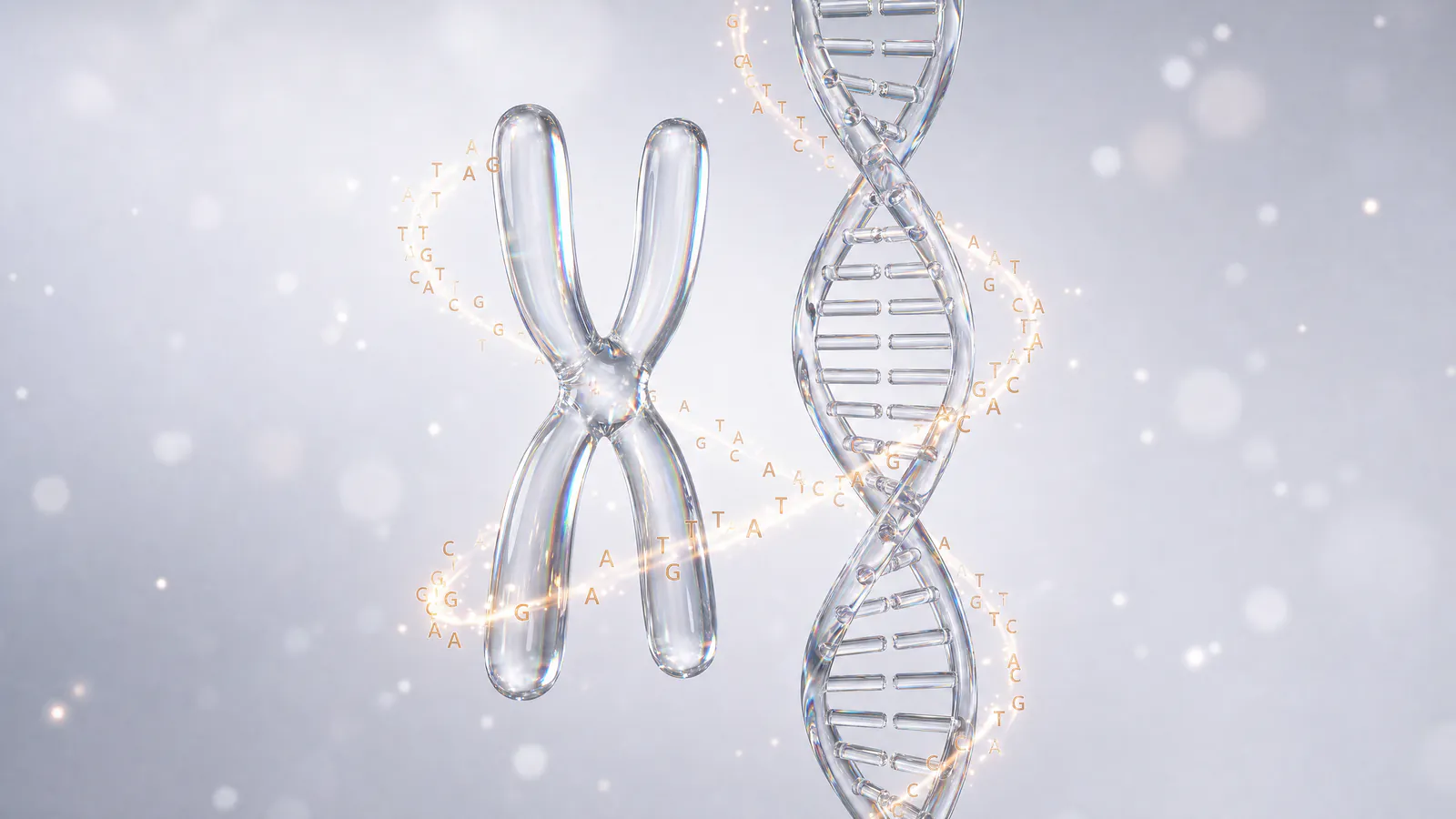
We cannot choose the DNA we inherit. But our genetic code is only one part of the biological story.
The epigenome helps regulate how genetic information is used. It influences which genes are active or silent and how strongly they are expressed-without changing the underlying DNA sequence.
Unlike our genetic code, epigenetic regulation is dynamic.
Research has shown that environmental exposures and lifestyle-related factors, including diet, can influence epigenetic patterns. Cellular stress and other biological processes can also alter the way genetic information is regulated throughout life.
This provides an important connection between genes, environment and aging.
It may also help explain why people with similar genetic backgrounds can become increasingly different as they grow older. Even identical twins, who begin life with essentially the same DNA sequence, can develop differences in their epigenetic patterns over time.
But this idea is often oversimplified.
Lifestyle does not simply turn individual “good genes” on and “bad genes” off. Thousands of genes and regulatory mechanisms interact with one another, and an epigenetic change associated with a particular exposure does not necessarily mean that it causes better-or worse-health.
The same caution applies to longevity.
The fact that epigenetic regulation can be modified does not mean that we currently know how to reprogram the epigenome through a particular diet, supplement or lifestyle intervention to slow human aging.
What epigenetics does show is more fundamental: the biological effects of our genes are not completely fixed at birth.
Our cells continuously regulate how genetic information is used, and that regulation changes throughout life in interaction with our biology and environment.
Understanding these interactions is now an important part of research into why individuals age differently-and whether some age-related biological changes may eventually become modifiable.