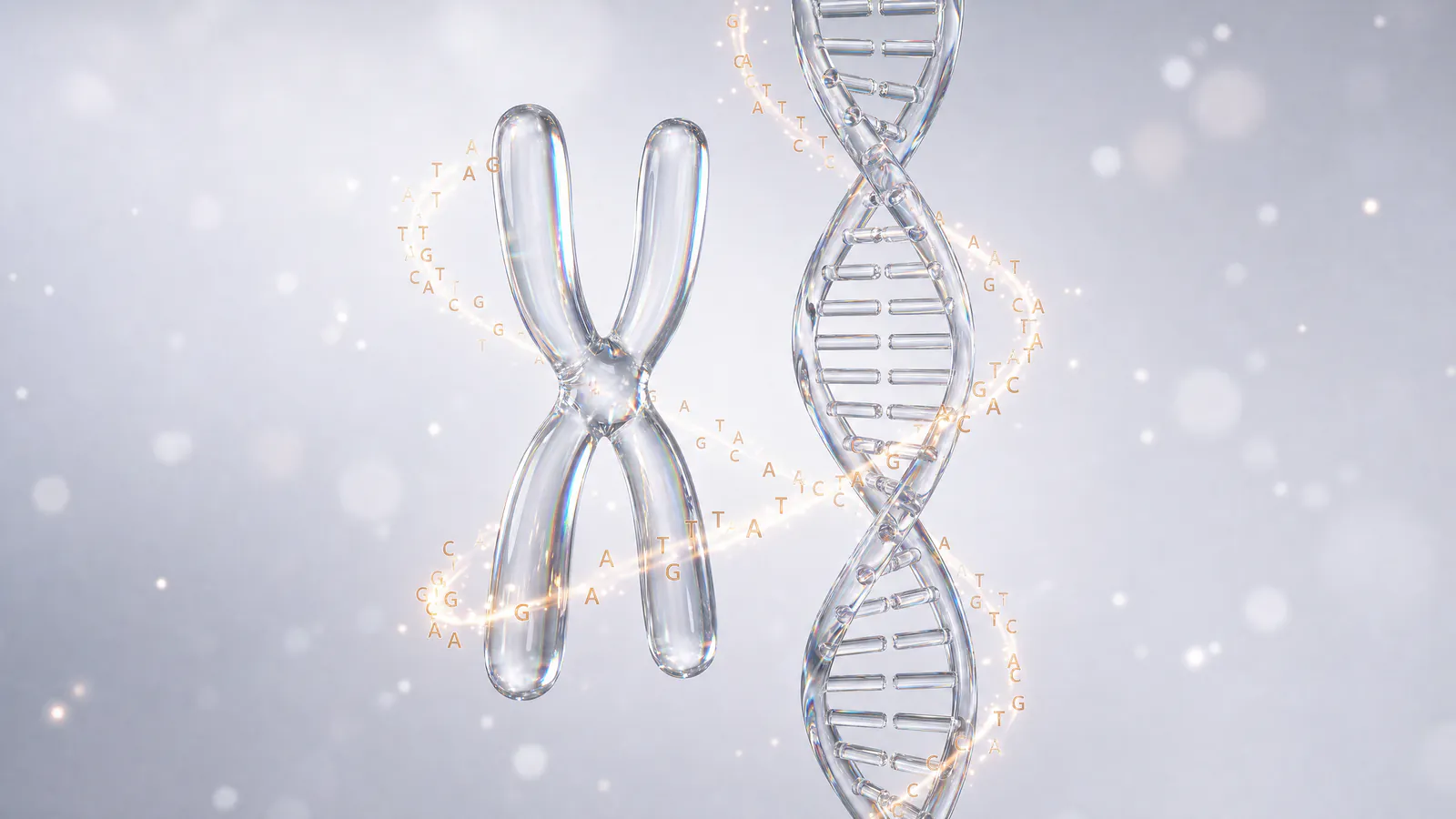
Would you take a genetic test if it could tell you how long you were going to live?
For now, no genetic test can reliably provide that answer.
Scientists have identified genetic variants associated with longevity, and some genes have been repeatedly linked to survival into advanced age. APOE and FOXO3 are among the best-known examples.
But finding a longevity-associated variant is very different from predicting an individual lifespan.
Human longevity is genetically complex. Many variants may contribute small effects, and these effects occur through multiple biological pathways. No single variant determines whether someone will live to 80, 90 or 100.
Genetic testing can still provide useful information.
Certain variants can identify an inherited predisposition to specific diseases or biological risks. In the appropriate clinical setting, this information may help physicians understand an individual's risk profile and support more personalized prevention.
But a predisposition is not a prediction.
The genes we inherit interact throughout life with factors including lifestyle, environmental exposures, medical care and the development-or avoidance-of chronic disease.
This is particularly important when interpreting commercial tests that claim to estimate “longevity potential.” A genetic profile may contain interesting information about inherited biology, but it should not be treated as a biological countdown clock.
As research advances, larger genetic studies and better understanding of rare variants may improve our ability to identify people with particular biological risks or protective characteristics.
The most useful future role for longevity genetics may therefore not be telling us when we will die, but helping us understand where our individual vulnerabilities and strengths may lie.
That information could eventually contribute to more personalized strategies for maintaining health as we age.