Why do some people stay healthier for longer as they age?
Genetics may provide part of the answer.
Scientists have found that many genes linked to longevity act through a small number of important biological systems. These systems help the body respond to stress, repair damage and maintain normal function over time.
One of them is metabolism. The way our cells respond to nutrients and energy influences growth, repair and cellular stress.
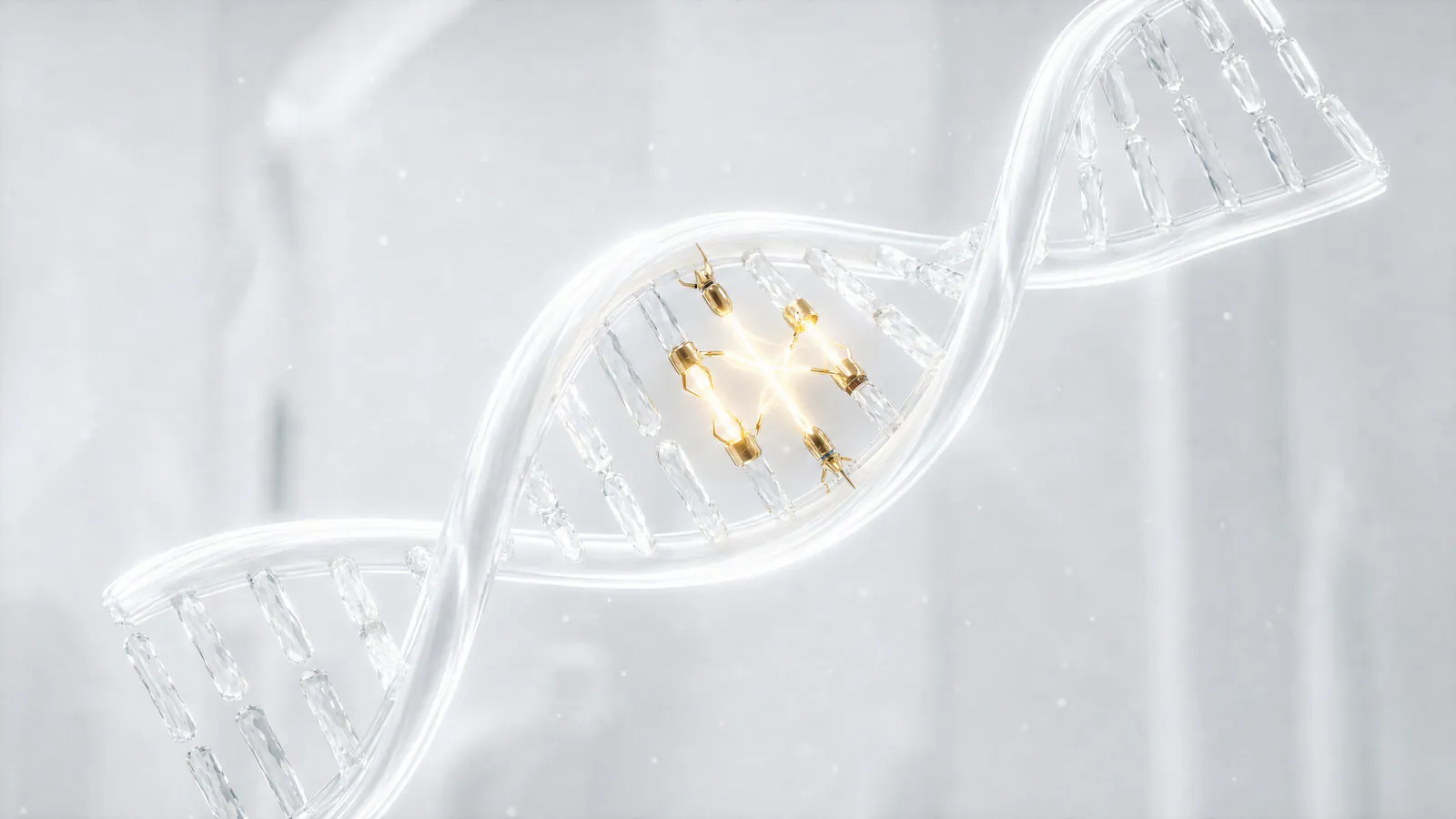
Another is DNA repair. Our DNA is constantly exposed to damage. Efficient repair helps protect genetic information and maintain healthy cell function.
The immune system also plays an important role. It must defend the body against infection while keeping inflammation under control. Persistent inflammation can gradually damage tissues and contribute to age-related disease.
Cholesterol metabolism is another pathway linked to longevity. Healthy regulation of blood lipids is closely connected to cardiovascular health, which strongly influences how long and how well we live.
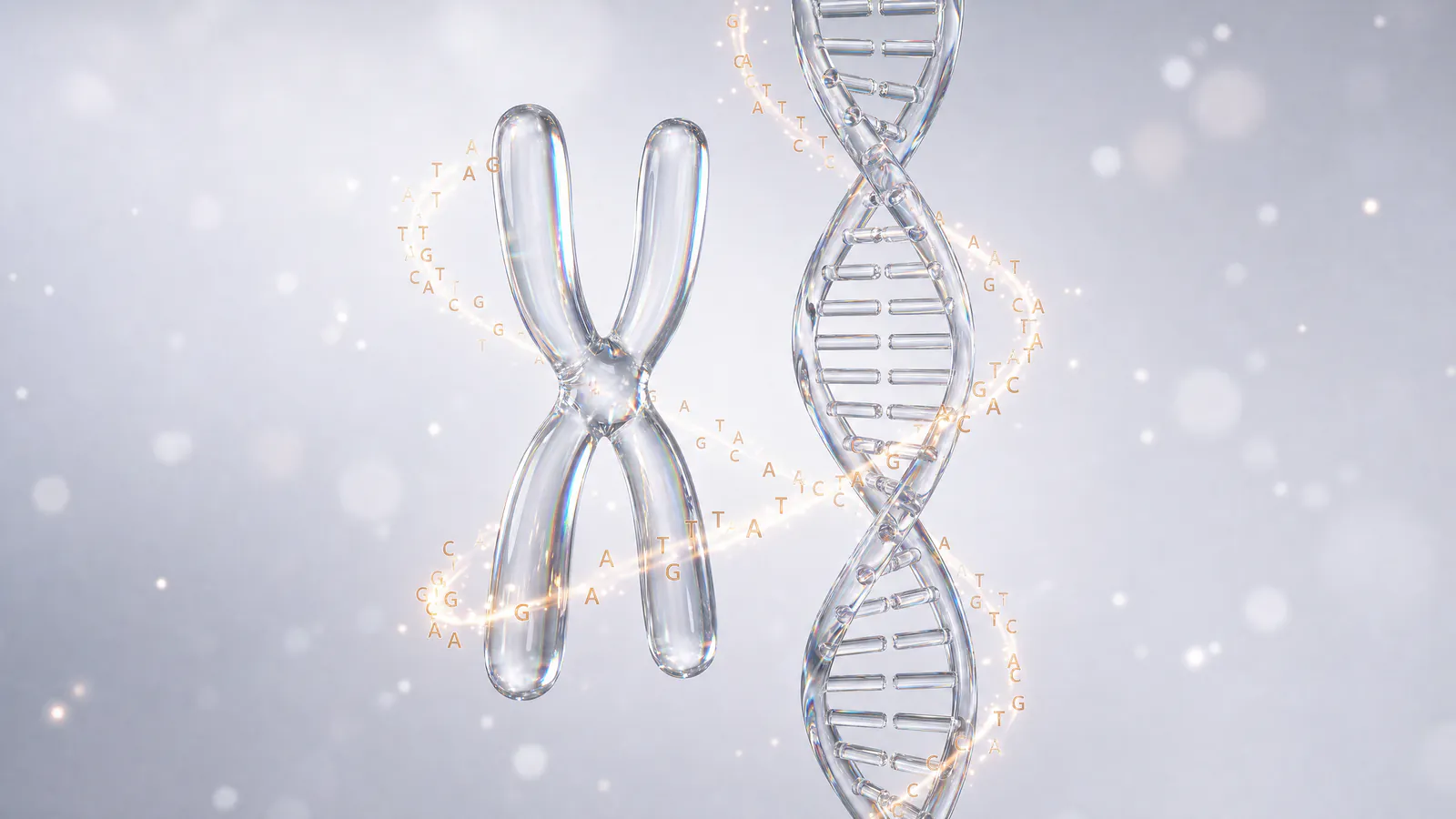
Finally, telomeres help protect the ends of our chromosomes. Their maintenance contributes to chromosome stability and normal cellular function.
These systems do not work separately. They interact continuously throughout life.
This is why scientists are moving away from searching for one “longevity gene.” Instead, they are studying how groups of genes influence the biological systems that help the body stay resilient.
The important message is simple: living longer may depend partly on how well the body maintains, repairs and protects itself over time.