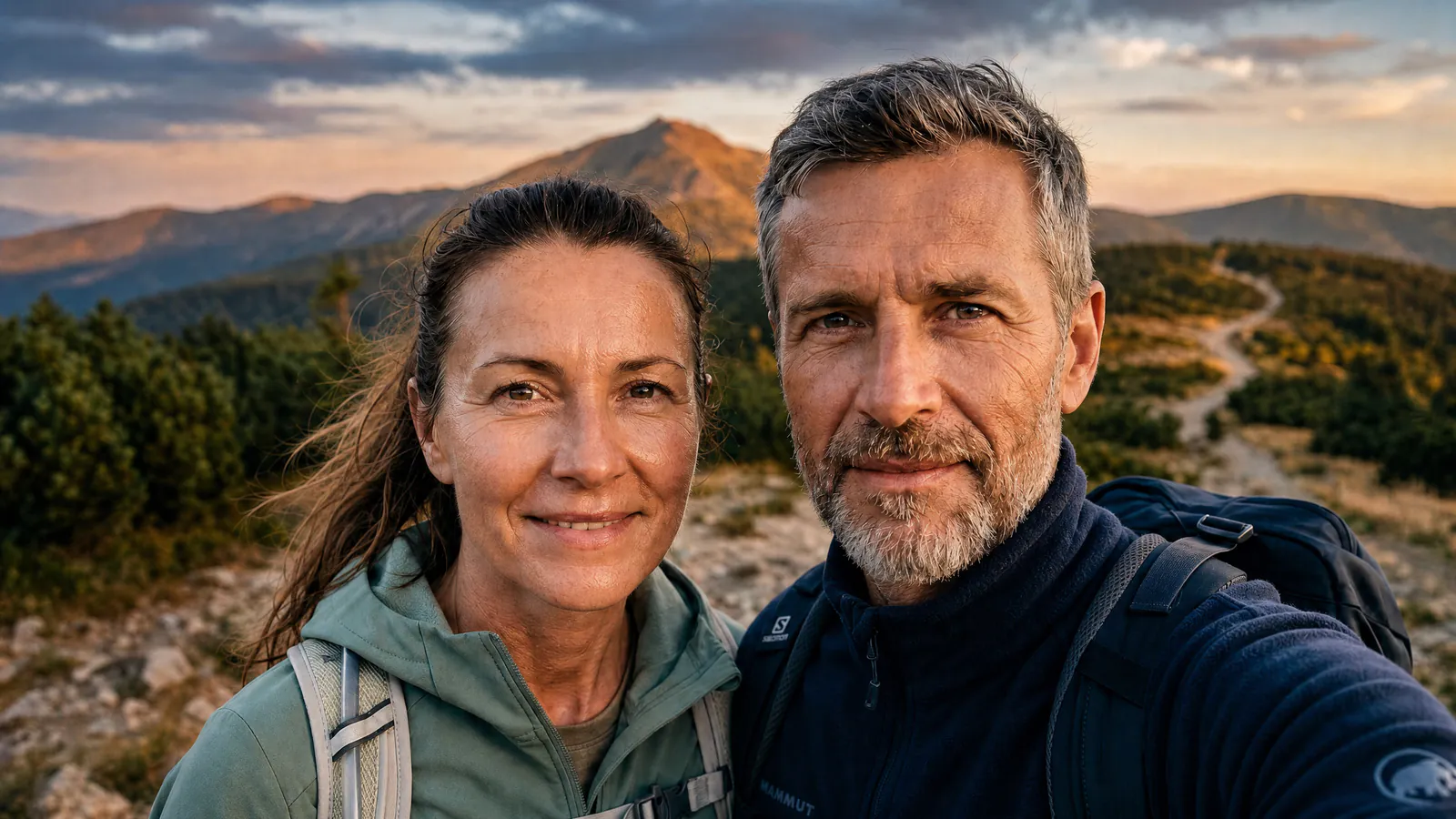
Two people can be exactly the same age — yet their bodies may not be aging in the same way.
Chronological age is simply the number of years we have lived. It is easy to measure, but it cannot show how biological aging is progressing in an individual.
Biological age is different. It is an attempt to describe how our body is aging based on biological changes rather than years alone.
As we grow older, changes occur across our cells, tissues and physiological systems — but their pattern and pace vary between individuals.
This helps explain why two people who are both 60 years old can have very different levels of physical function, resilience and vulnerability to age-related disease.
Scientists are developing ways to measure some of these differences using biomarkers of aging. Modern research can examine age-related patterns in DNA regulation, gene activity, proteins, metabolites and other biological features. Some of these measurements are combined into models known as aging clocks.
These clocks do not all measure the same biological processes. Some are based on DNA methylation, while others use patterns in gene expression, proteins or metabolites. Researchers are also developing measures designed to capture the pace of aging rather than biological age at a single point in time.
But biological age is not as simple as one test producing one definitive number.
Different aging clocks may capture different aspects of the aging process. Even different tissues and organs within the same person may not necessarily age in exactly the same way.
This is why biological-age research is about much more than discovering whether someone is biologically “younger” or “older” than their chronological age.
The more important goal is to understand how an individual is aging — and whether measuring those biological differences can provide meaningful information about future health.