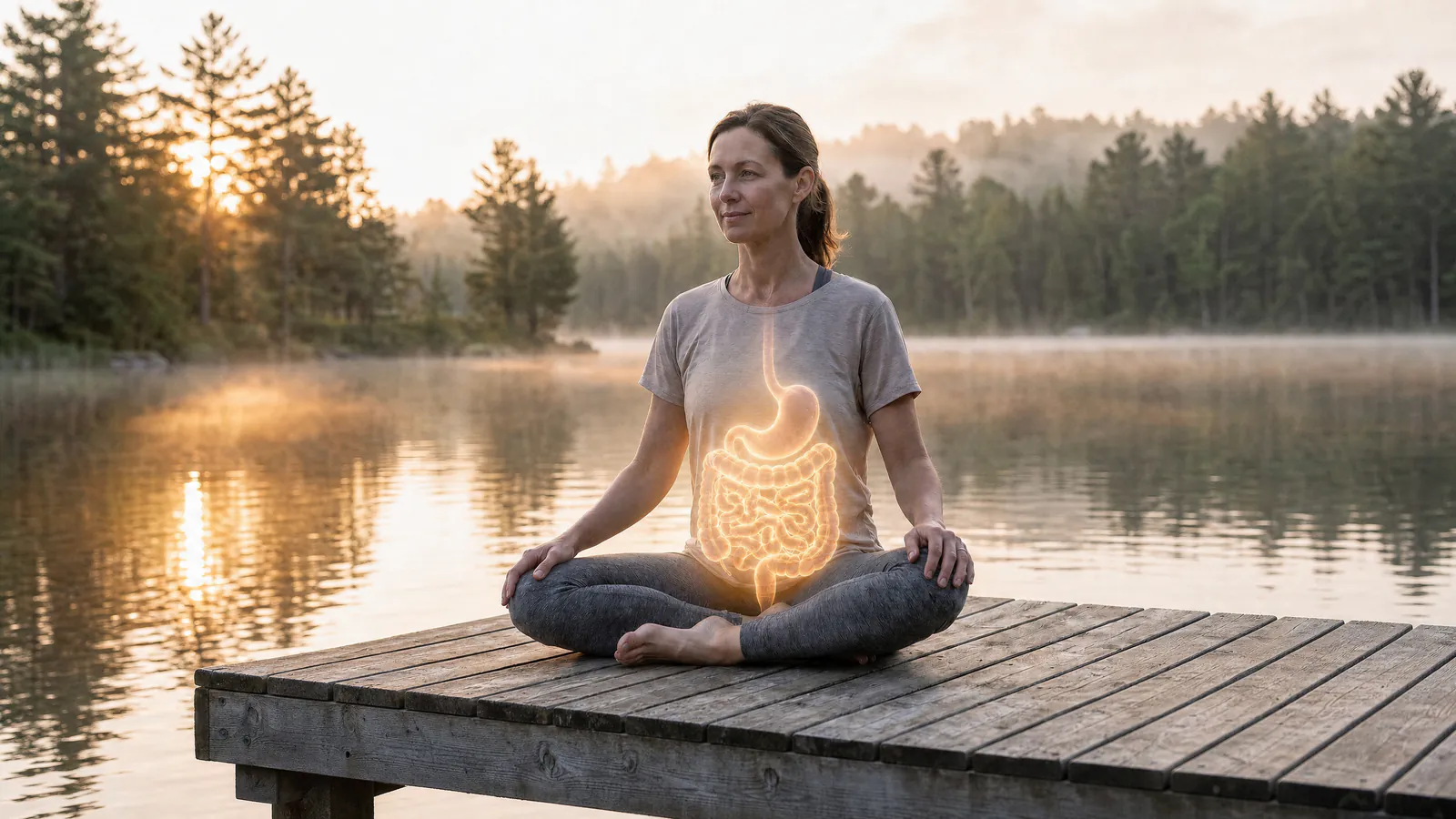
Your gut microbiome is not fixed.
The community of microorganisms living in your gut can change in response to diet, lifestyle, medications, illness and other environmental influences.
That makes the microbiome particularly interesting in healthy aging: unlike chronological age, it is potentially modifiable.
Start with what you eat
Diet is one of the strongest everyday influences on the gut microbiome.
Plant foods provide different types of fiber and other compounds that gut microorganisms can use. During fermentation, some bacteria produce short-chain fatty acids such as butyrate, which support the intestinal environment and interact with metabolism and the immune system.
Rather than focusing on one “superfood,” a varied diet containing vegetables, fruits, legumes, whole grains, nuts and seeds can provide a wider range of substrates for gut microorganisms.
Lifestyle matters too
The microbiome does not respond to diet alone.
Physical activity, smoking, alcohol, sleep, medications and metabolic health can all be associated with differences in the gut microbial community.
Antibiotics can have particularly strong effects, although they remain essential treatments when medically indicated.
This means that supporting the microbiome is best viewed as part of an overall healthy lifestyle rather than as a separate longevity intervention.
What about probiotics and microbiome supplements?
This is where the evidence becomes more specific.
Some probiotics have demonstrated benefits for particular conditions, but there is no single probiotic that has been shown to create an “ideal” microbiome or slow human aging.
The same applies to commercial microbiome tests. They can describe aspects of the bacteria present in a sample, but there is currently no universally accepted microbiome score that measures how healthily someone is aging.
Why could this matter for healthy aging?
Recent research has linked certain gut microbiome patterns with lower systemic inflammation, more favorable metabolic markers and lower subsequent disease risk.
The next question is whether deliberately changing the microbiome can produce these benefits.
That still requires stronger intervention evidence.
For now, the most evidence-aligned approach is also familiar: a varied, fiber-rich diet, regular physical activity, avoiding smoking and appropriate use of medications all support health — and may also help maintain a healthier gut ecosystem.
Based on Research
Eriksen C, Chatzigiannidou I, Dehli RK, et al. Gut microbiota composition outperforms chronological age in predicting systemic inflammation and incident disease risk. Nature Communications. 2026.