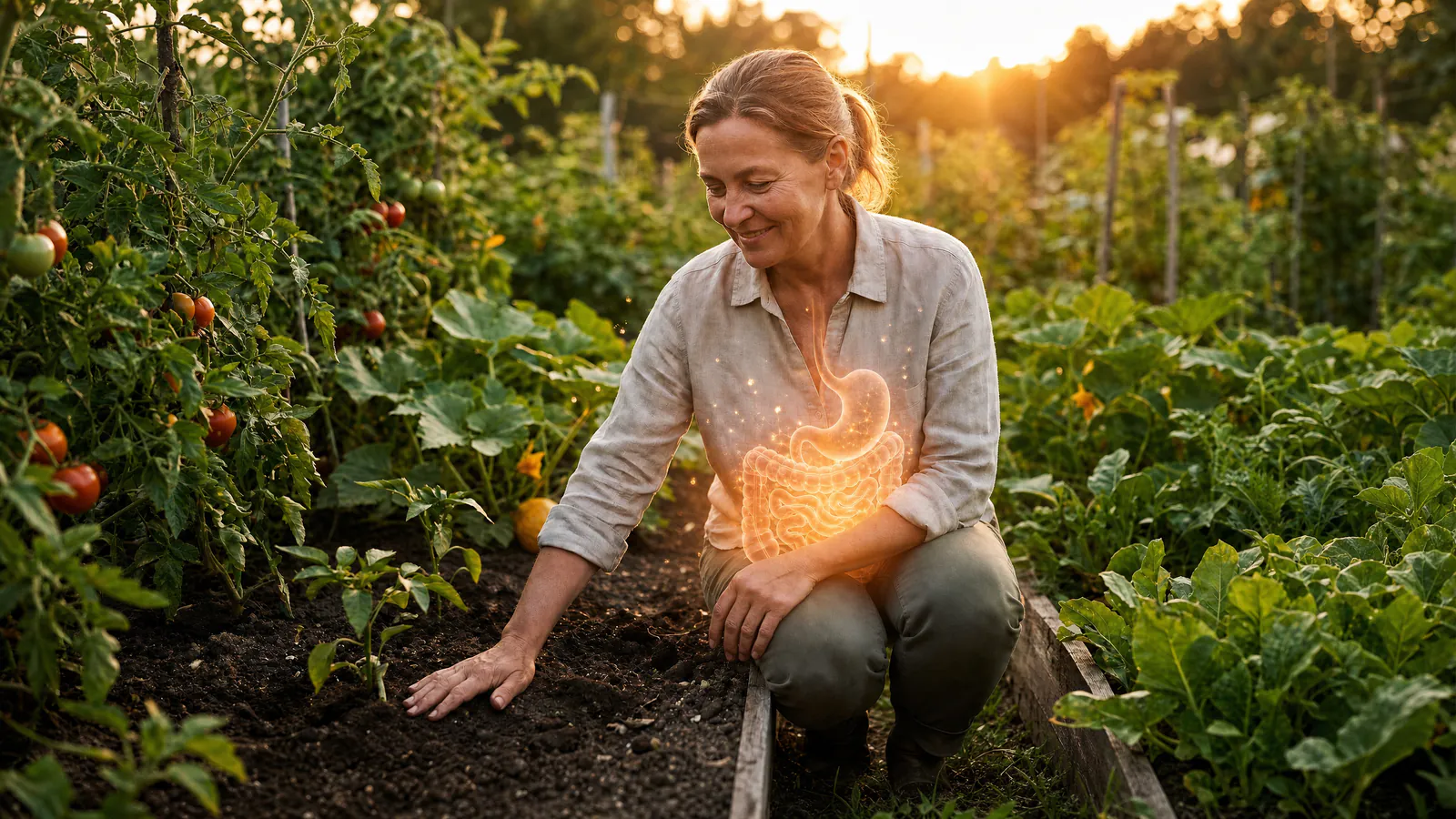
The gut microbiome is not just about digestion.
It is a complex ecosystem of bacteria, viruses, fungi, and other microorganisms that interact with the body every day.
Scientists increasingly recognize that the gut microbiome may influence many processes linked to aging, including immune function, inflammation, metabolism, and even resilience against disease.
As we age, the composition of the microbiome can change. In some people, microbial diversity decreases, and the balance between beneficial and potentially harmful bacteria may shift. This process is sometimes linked with low-grade chronic inflammation, often called inflammaging.
This does not mean the microbiome alone determines how we age.
Aging is complex. Genetics, lifestyle, diet, physical activity, medications, environment, and existing health conditions all play a role.
But the microbiome appears to be one important part of the picture.
A more diverse gut microbiome is often associated with better metabolic and immune health, although researchers continue to study exactly how these relationships work. Diet is one of the strongest influences. Fibre-rich foods, plant diversity, fermented foods, and long-term nutritional patterns may all help shape the gut microbiome over time.
This is why gut health is becoming an important topic in longevity medicine.
The goal is not to chase a “perfect microbiome.” There is no single ideal microbiome for everyone.
The goal is to understand how the gut may influence long-term health and how personalized lifestyle and nutrition strategies may support healthier aging.